Imola Classic 2026 – A Journey into the Heart of Italian Motorsport
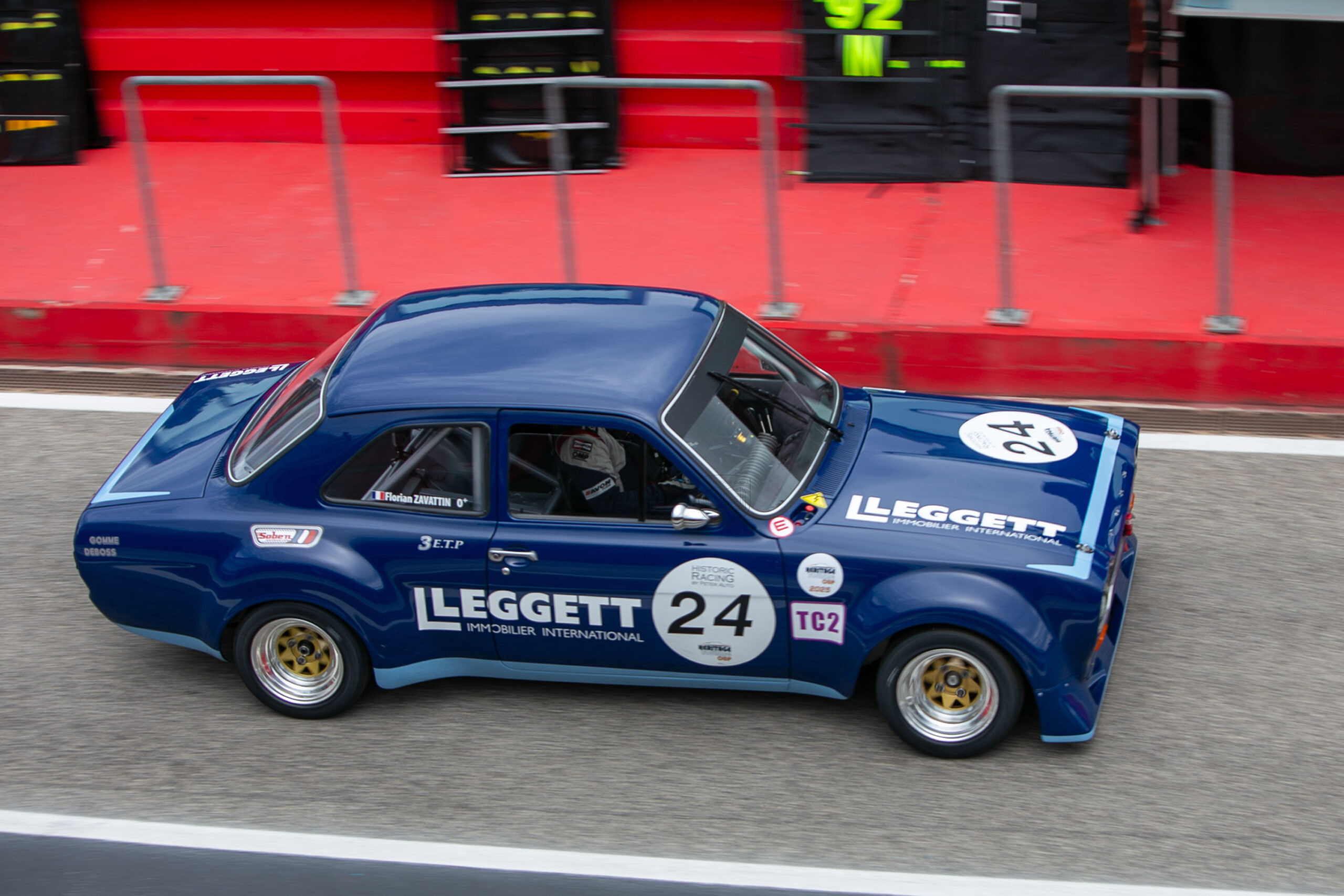
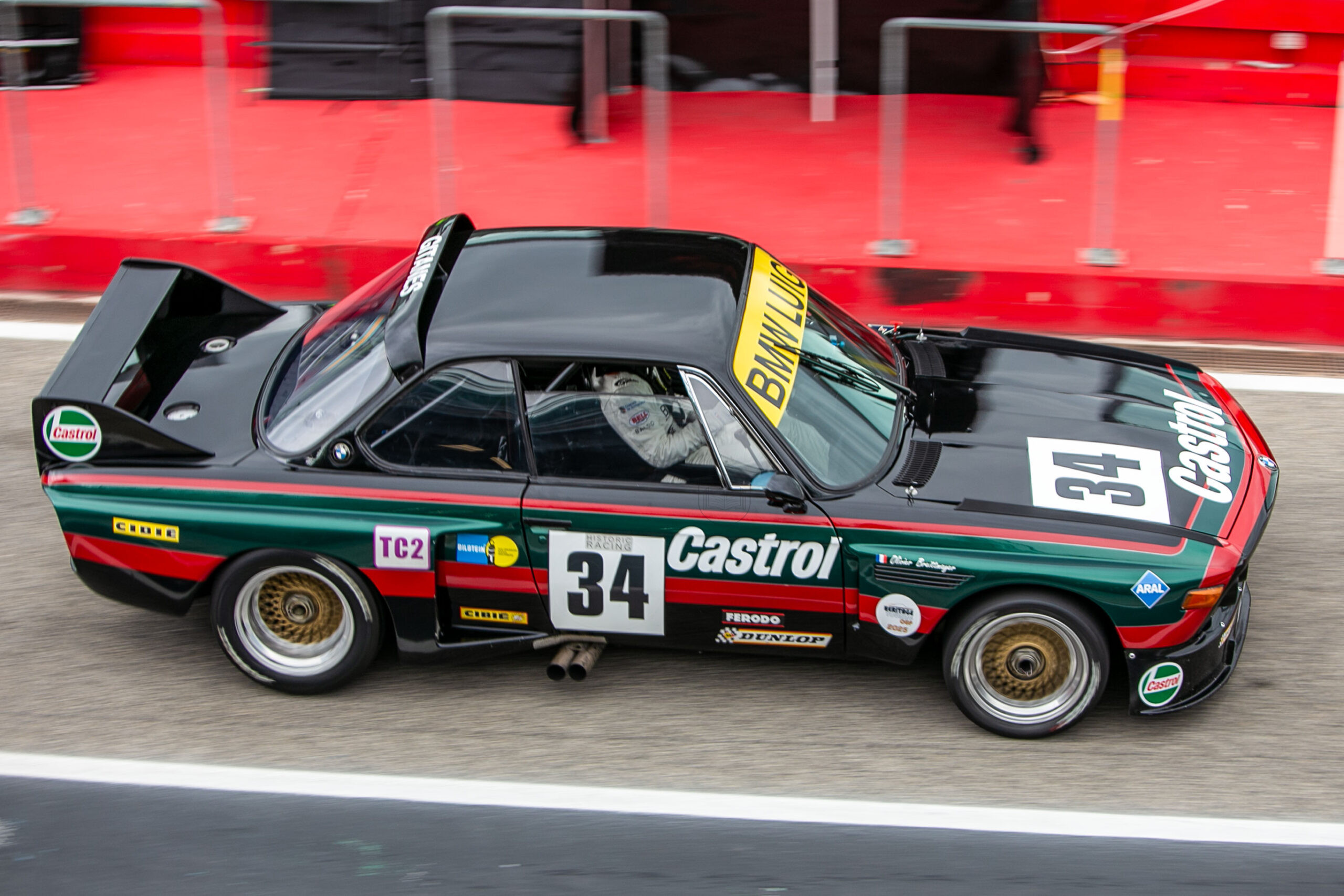
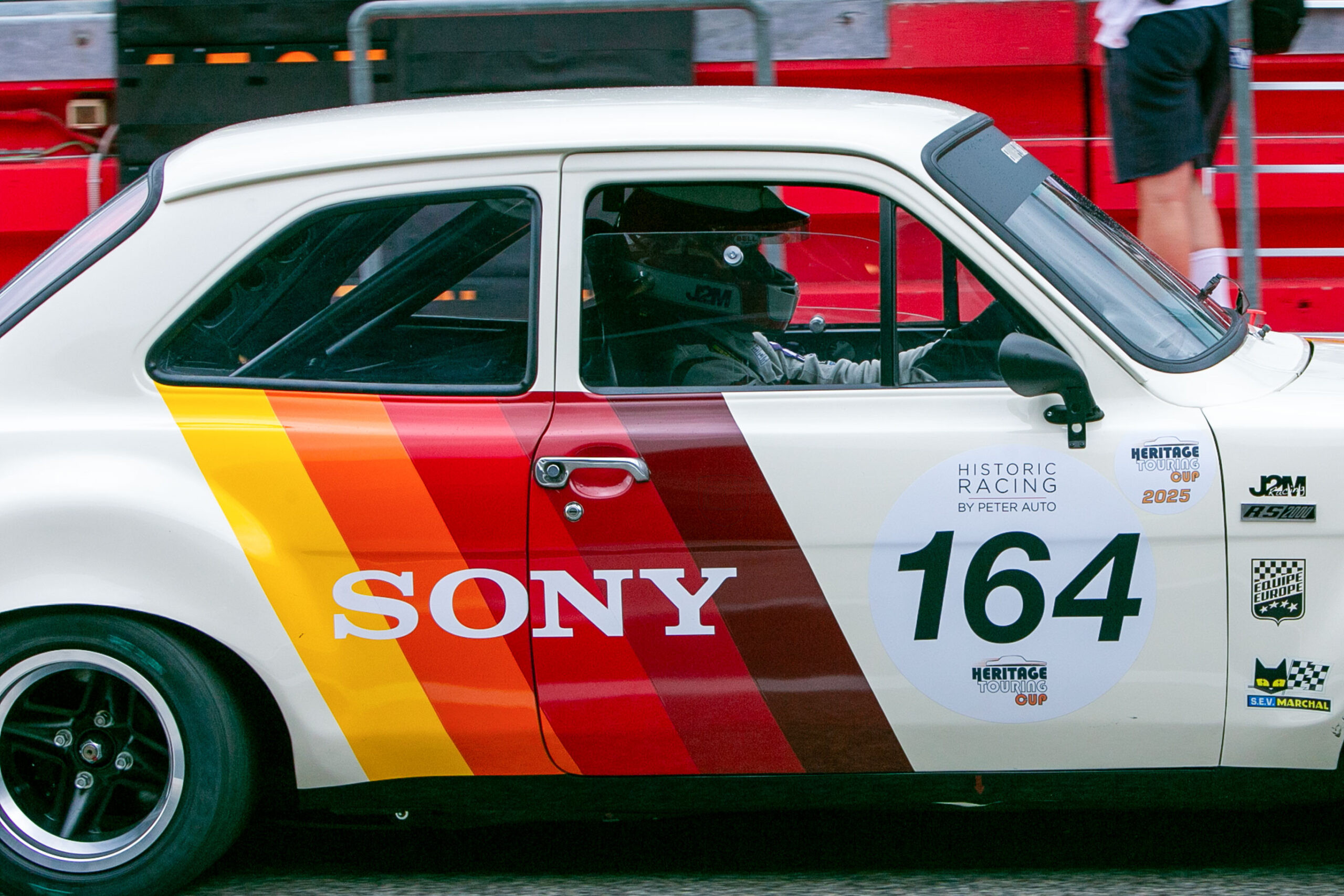
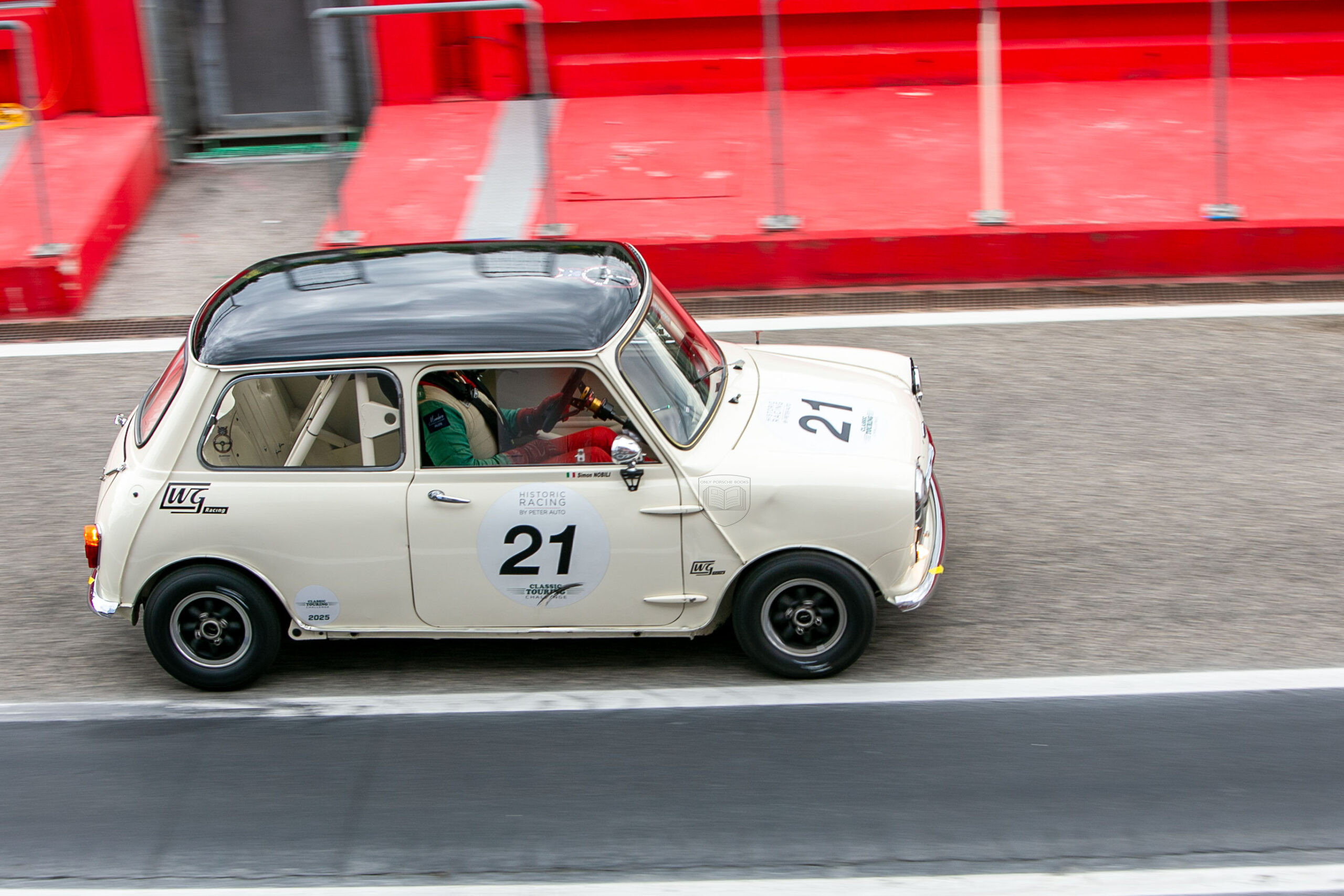
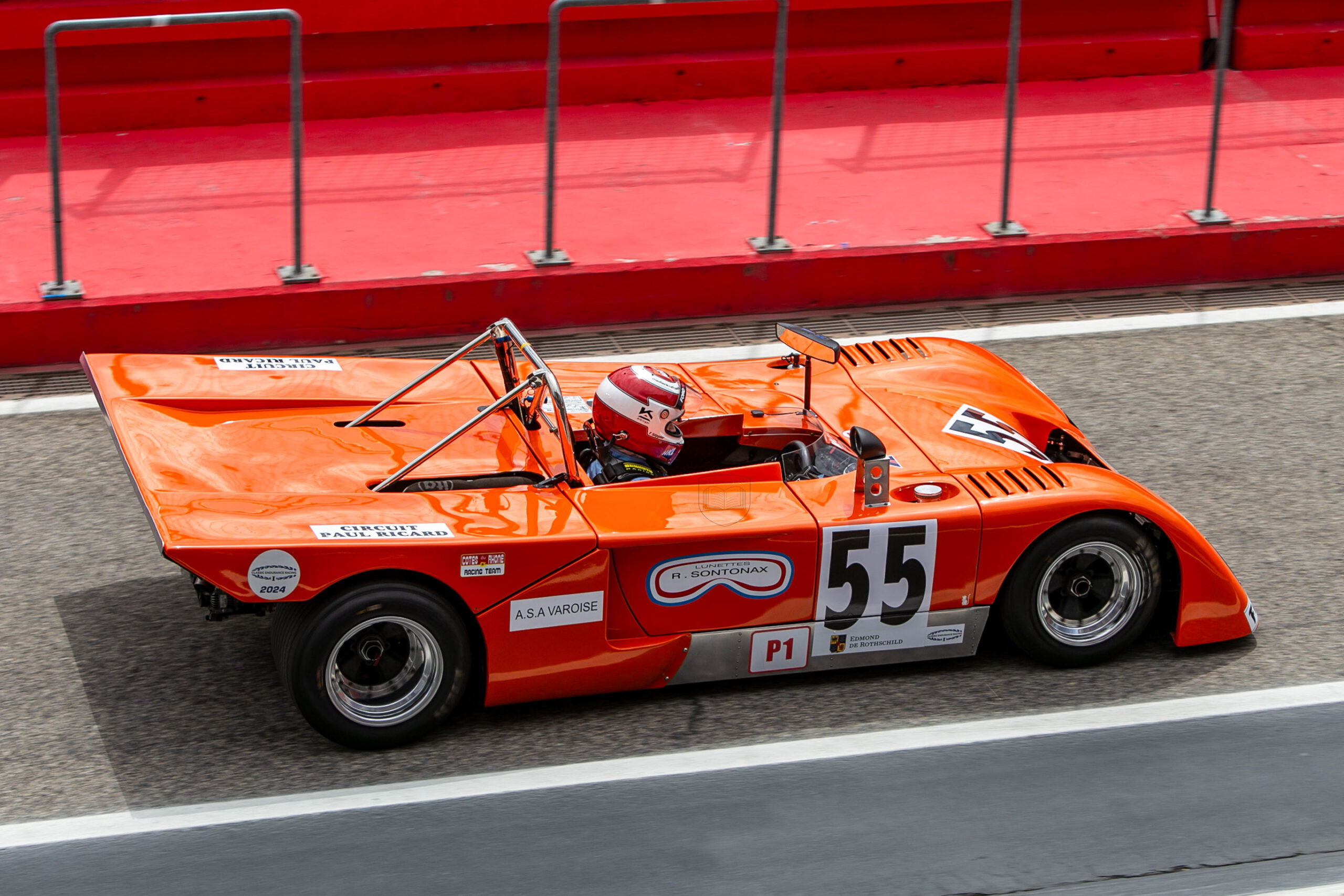
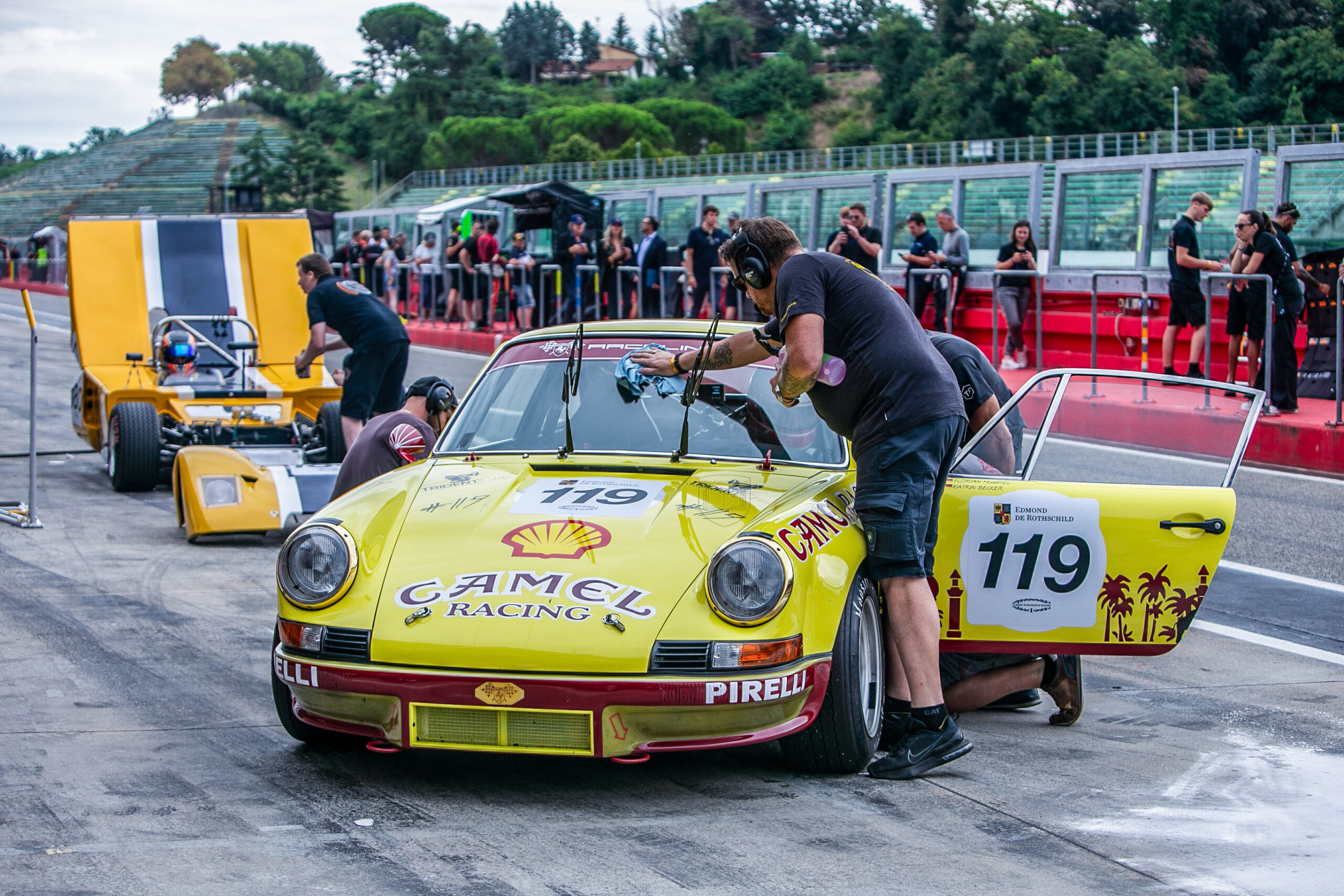
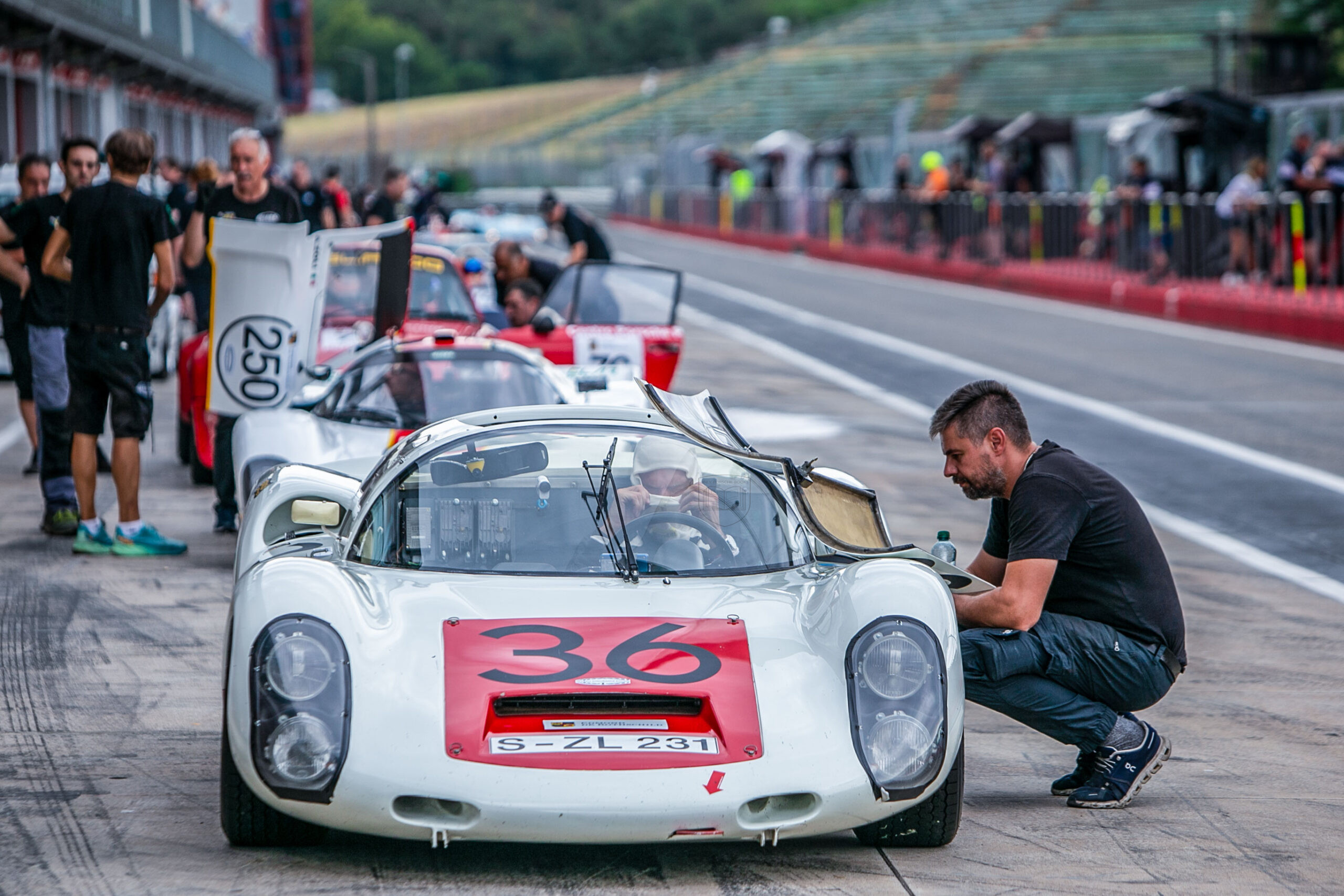
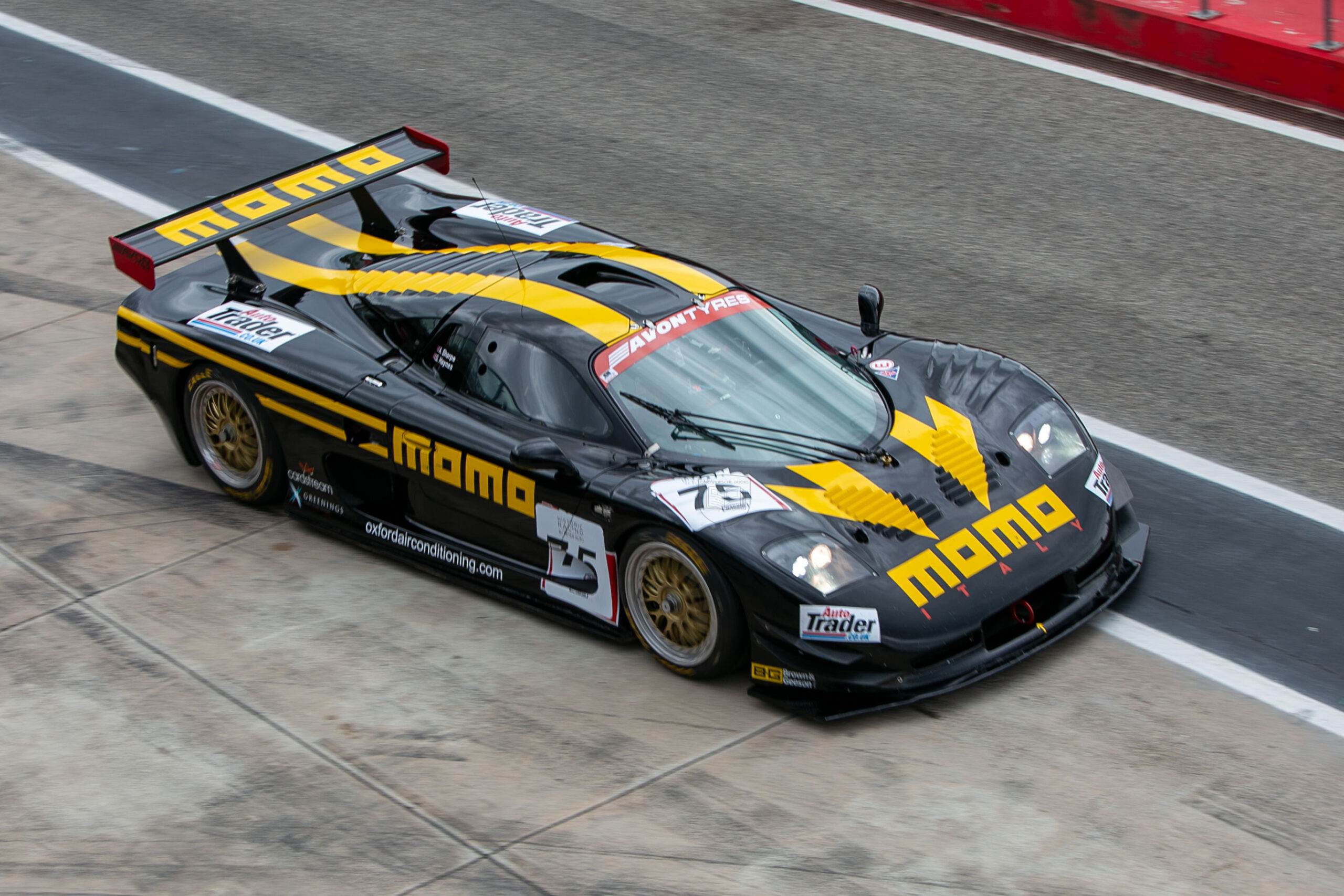
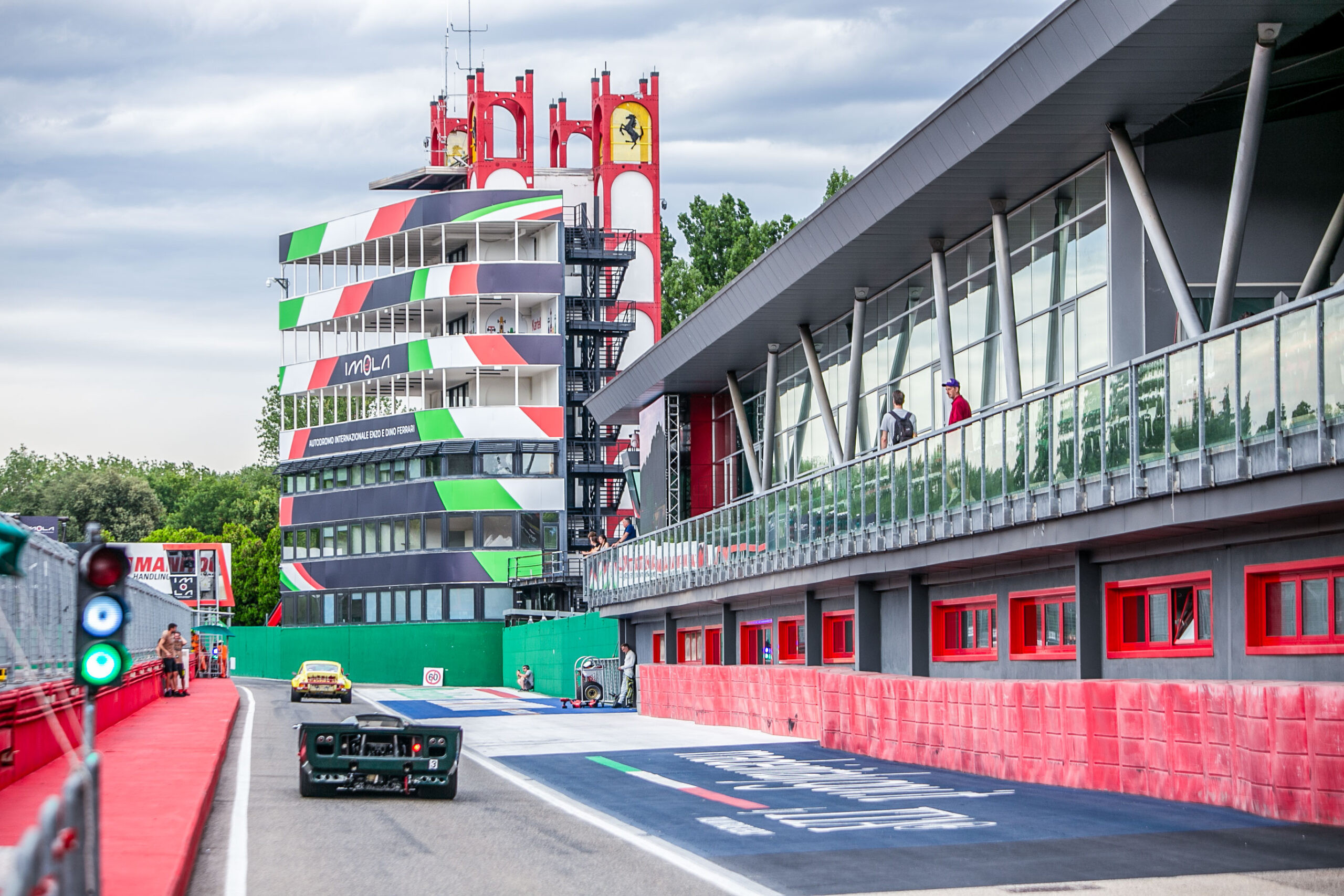
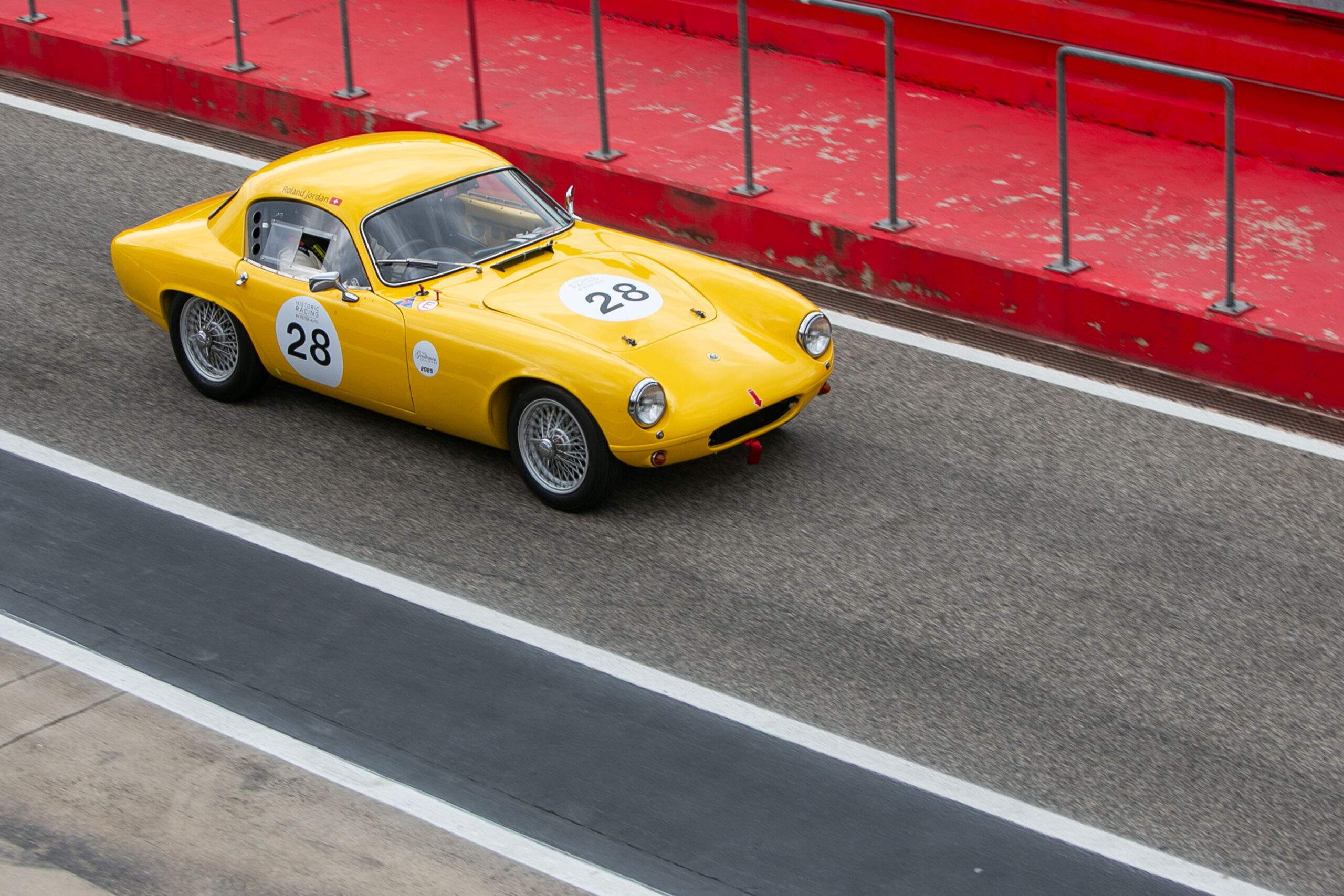
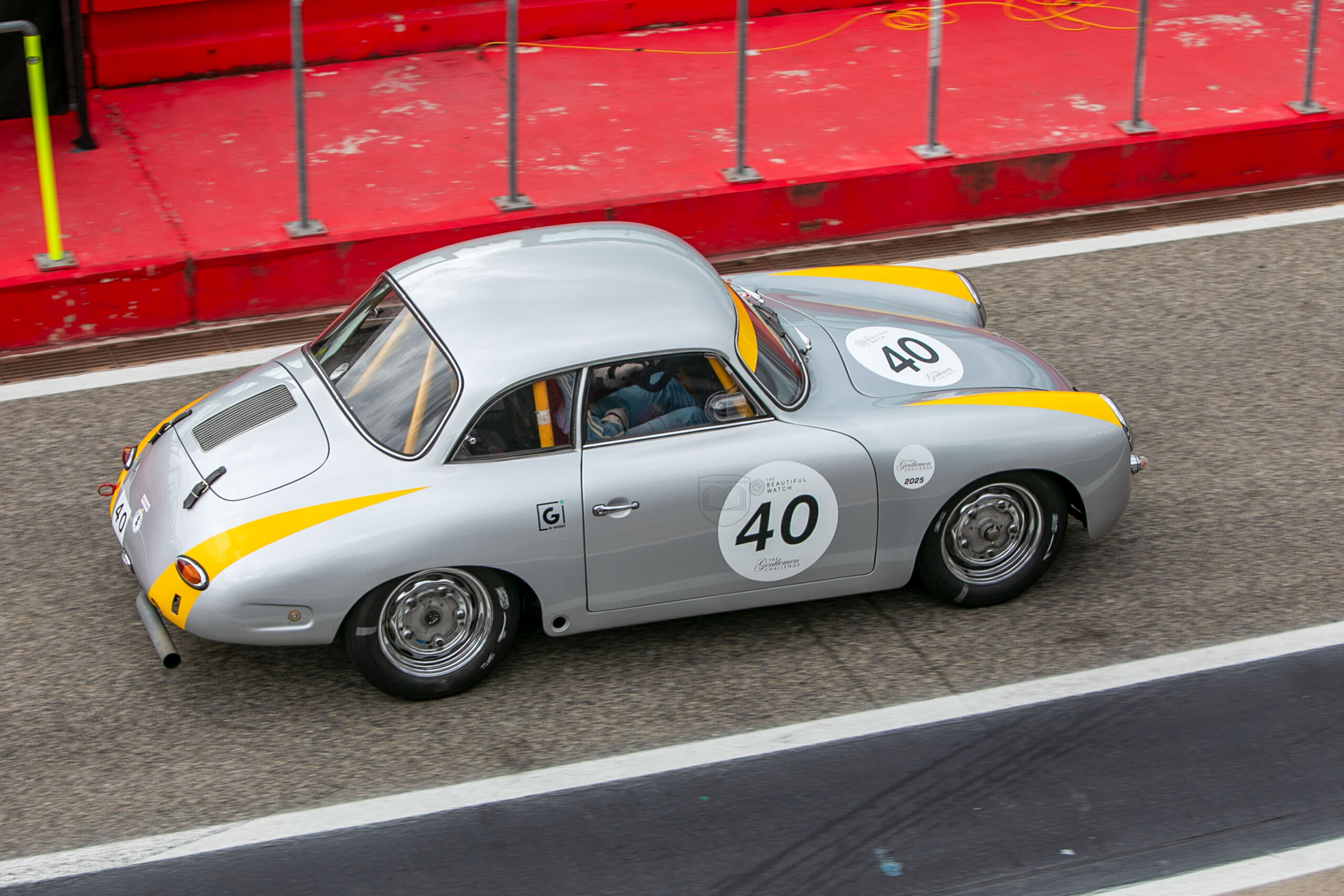
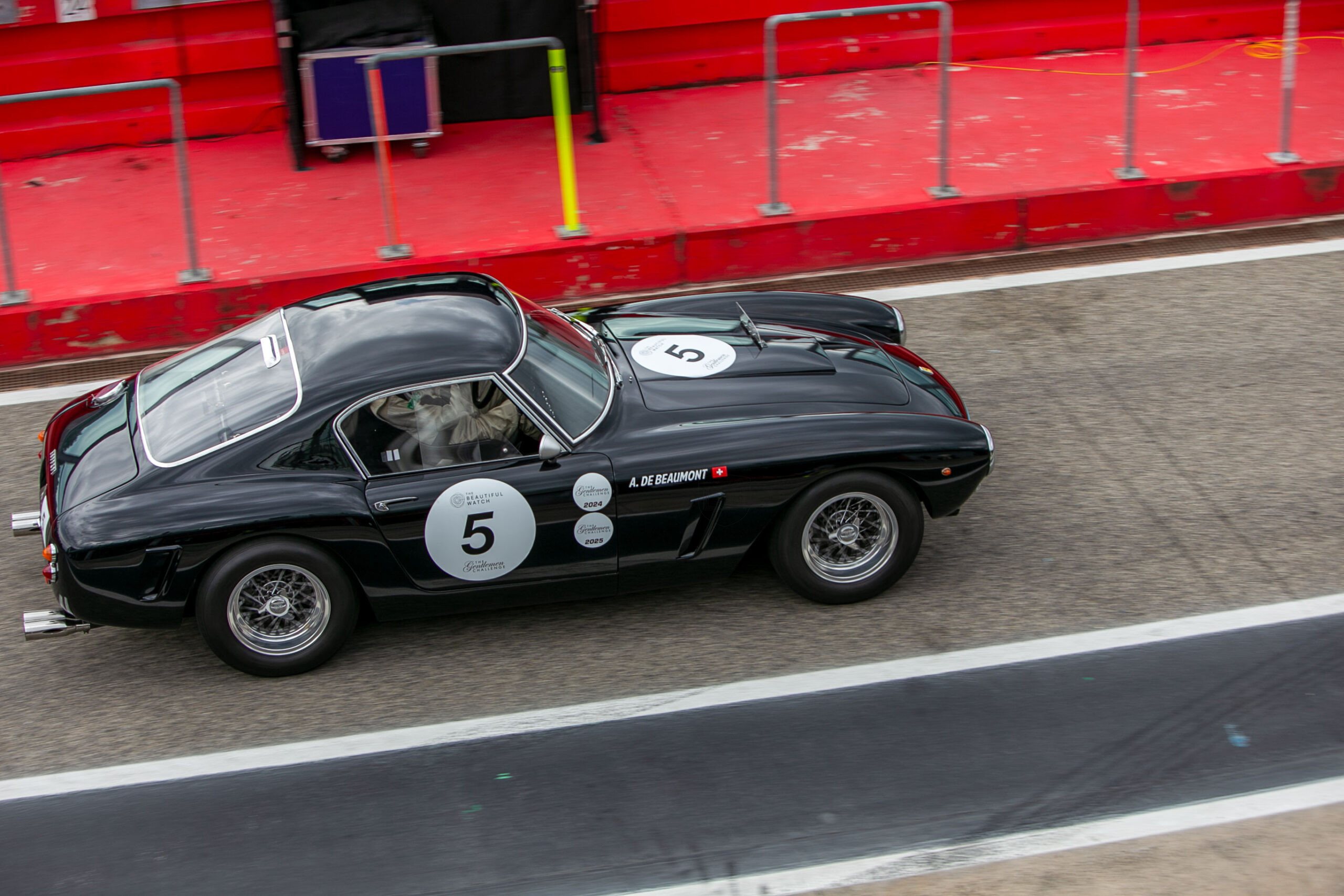
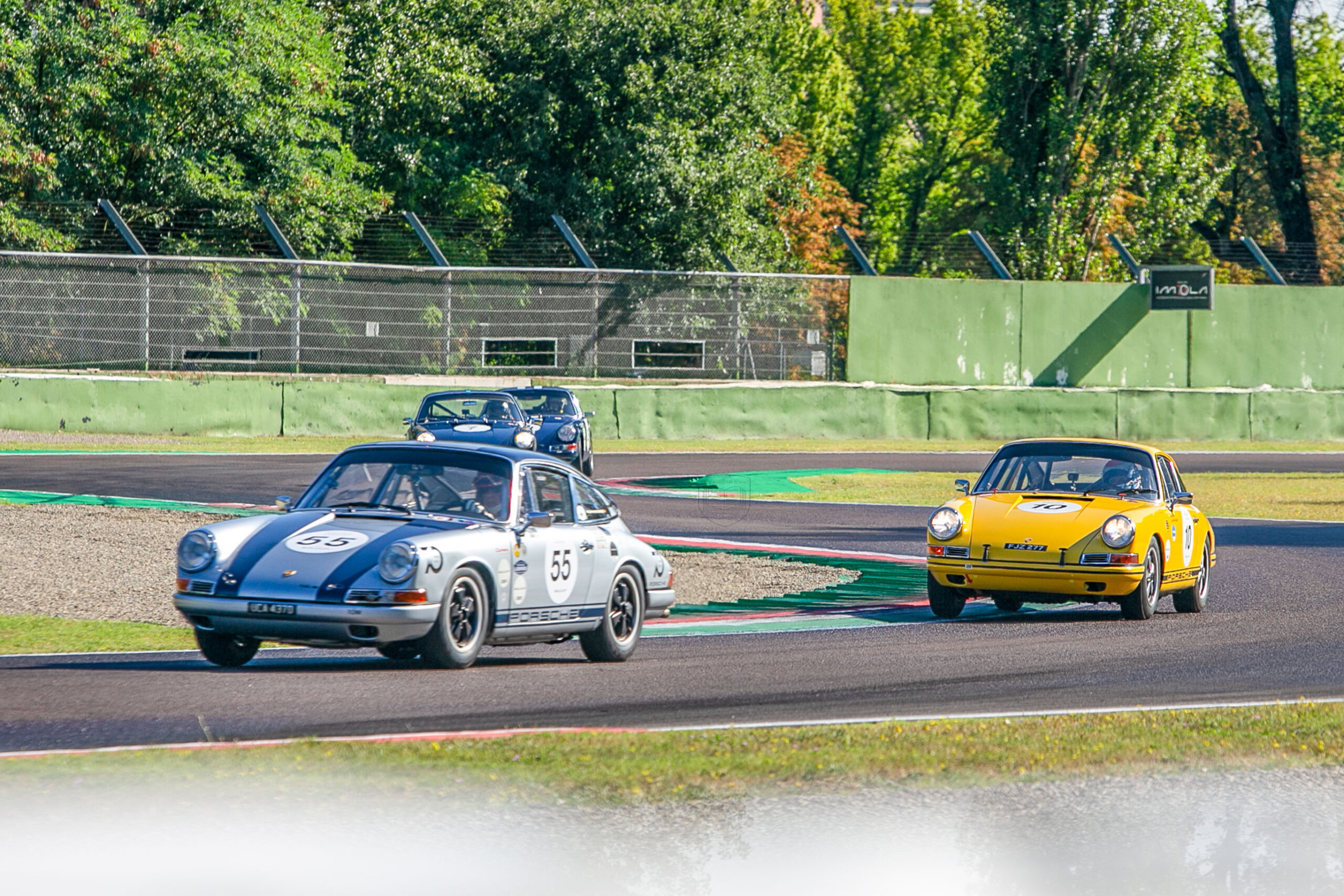
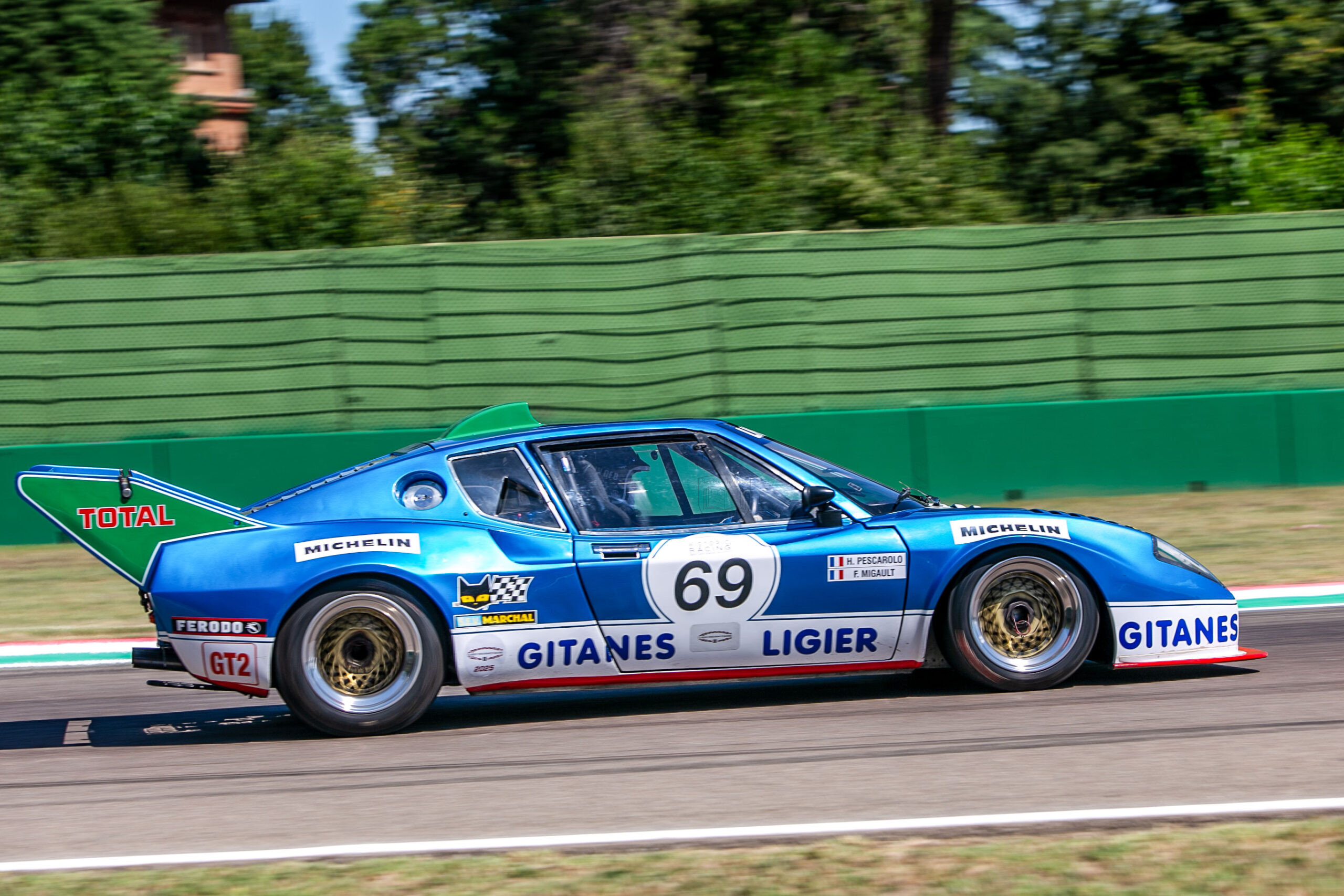
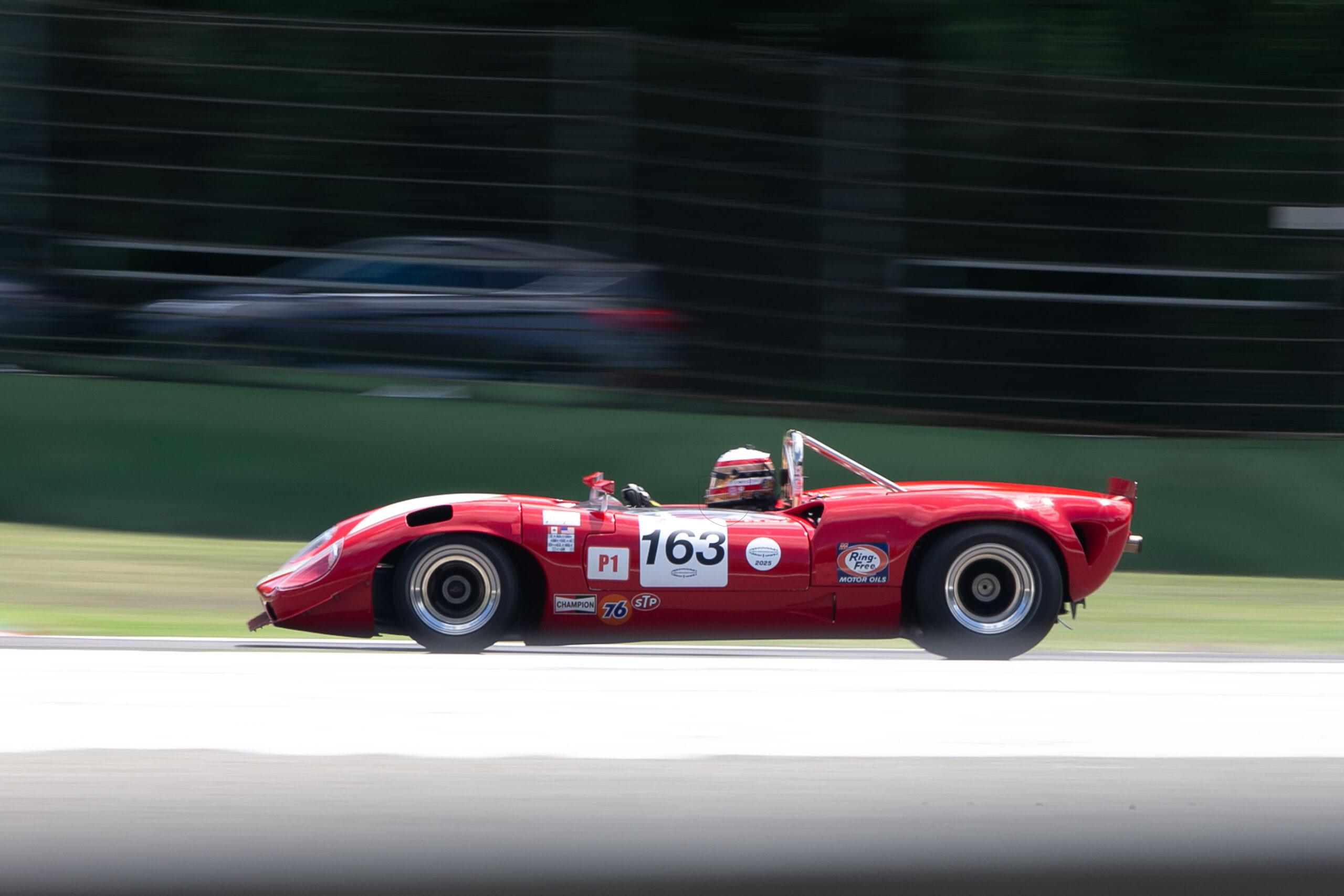
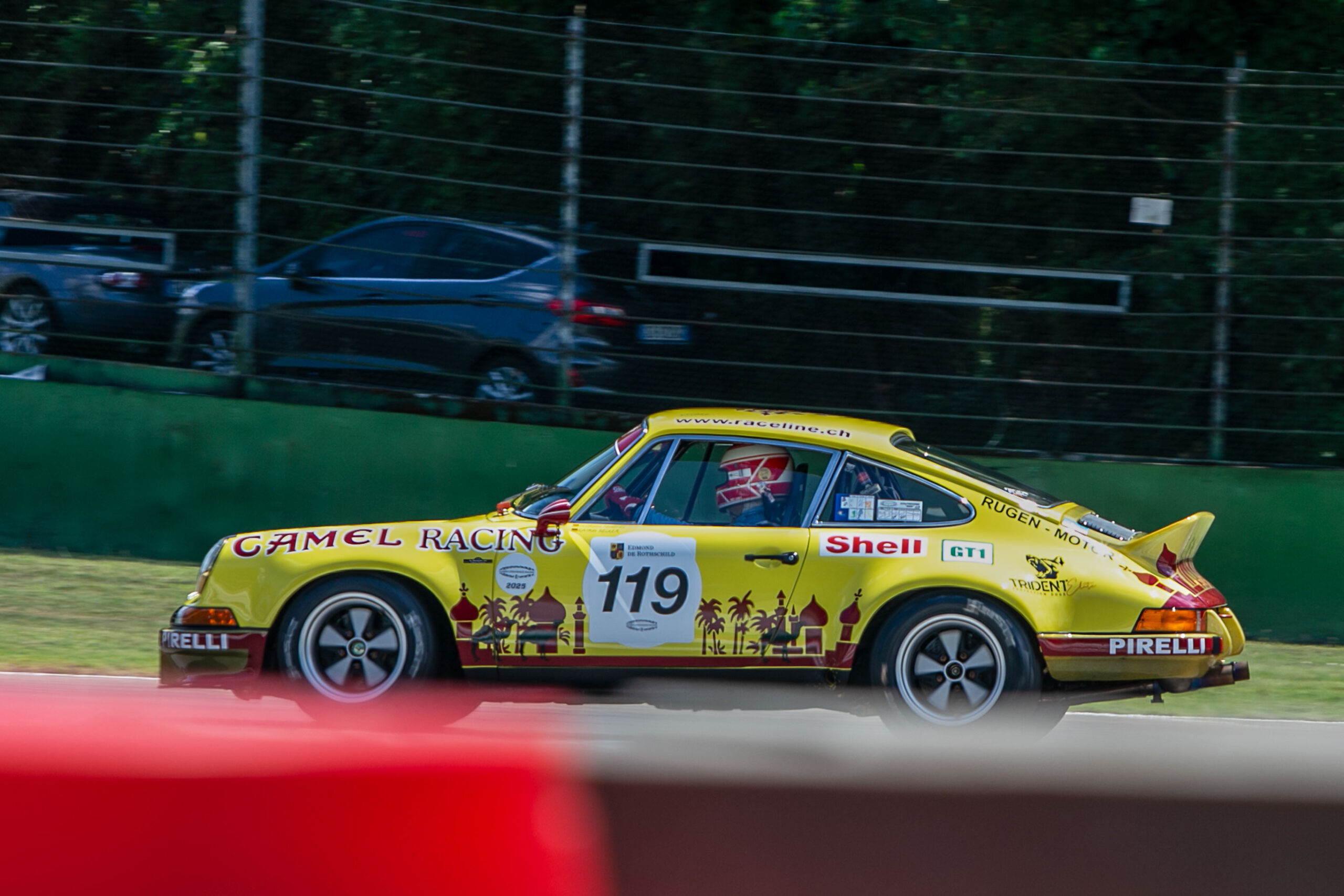
The Imola Classic 2026 once again offered an impressive journey through the history of international motorsport. At one of Europe’s most beautiful and historic racing circuits, legendary racing cars, famous names and unforgettable motorsport moments came together.
Particularly fascinating was the historic Group C category, featuring its spectacular prototypes. Among the highlights were the legendary Porsche 962 Blaupunkt and the unforgettable Jaguar XJR-9 in its iconic Silk Cut livery, bringing back memories of the golden era of endurance racing and the fierce battles for victory at Le Mans. The Ford Capri also added a wonderful touch of racing nostalgia, capturing the imagination of motorsport enthusiasts.
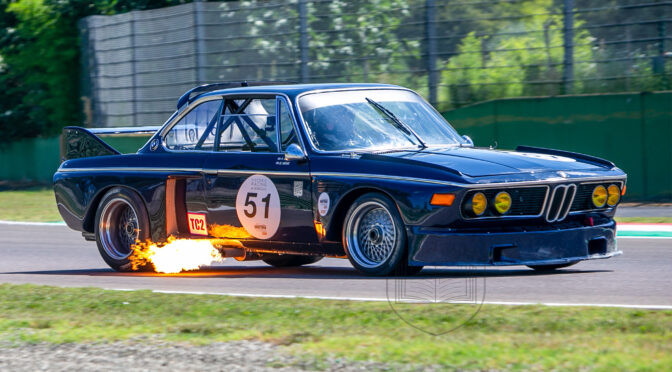
There were plenty of other automotive highlights to discover: the BMW M3, Porsche ST and numerous other historic racing cars demonstrated the diversity and fascination of motorsport history. A particular attraction was the Porsche 910 owned by Jürgen Rudolph, while the Ferrari GTO of Claudio Rodarro embodied Italian sports car passion at its finest.
The present day of endurance racing was also represented. Modern LMP2 prototypes brought a thrilling contrast to the historic machinery, with their impressive performance and unmistakable sound on the track.
And, of course, there is Imola itself. A fantastic racing circuit, nestled in the beautiful landscape of Emilia-Romagna, with its challenging corners, elevation changes and truly unique atmosphere. Here, motorsport history can be felt in every turn.
One particularly moving moment away from the racing action was a visit to the memorial dedicated to Ayrton Senna. It commemorates the tragic events of 1 May 1994 and pays tribute to one of the greatest racing drivers of all time. A quiet place of remembrance that reminds every motorsport enthusiast how closely passion, courage and risk are intertwined in racing.
The Imola Classic 2026 was therefore much more than an event featuring historic racing cars. It was a reunion with great legends, extraordinary machines and unforgettable stories – at a circuit that has itself written an important chapter in motorsport history.
Eigentlich wollte ich für eine Rezension über das neue Porsche-Buch von Christoph Mäder zum 964 Carrera RS über den Stolz eines Baumes schreiben – eines Baumes, der gefällt wurde, um später in Form von Papier die Grundlage für den Druck ein solch meisterhaftes Werk zu bilden. Doch als ich für einen guten Freund ein Exemplar bei Mäder bestellte und dieses persönlich übergab, entwickelte sich eine ganz andere Geschichte.
Der Porsche 964 gilt unter Enthusiasten allein aufgrund seiner zeitlosen Form als einer der schönsten Vertreter der 911-Baureihe. Die RS-Version stellte dabei die konsequente Zuspitzung dar – leicht, puristisch, kompromisslos. Bis heute gilt der 964 Carrera RS als Ikone der Marke.
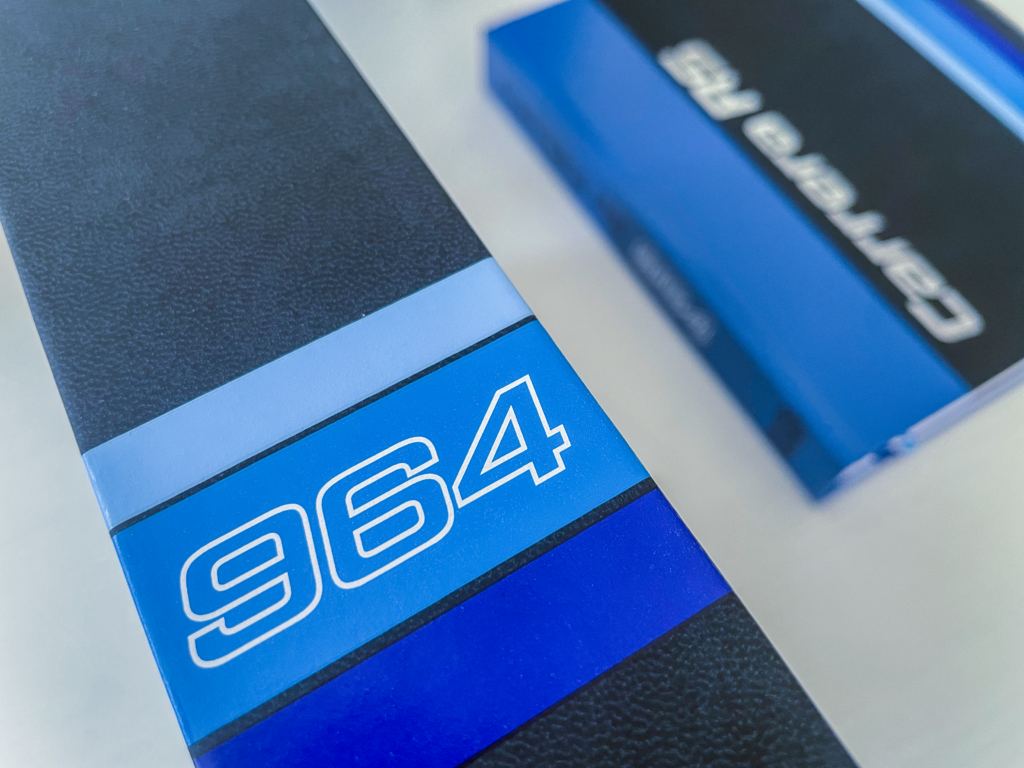
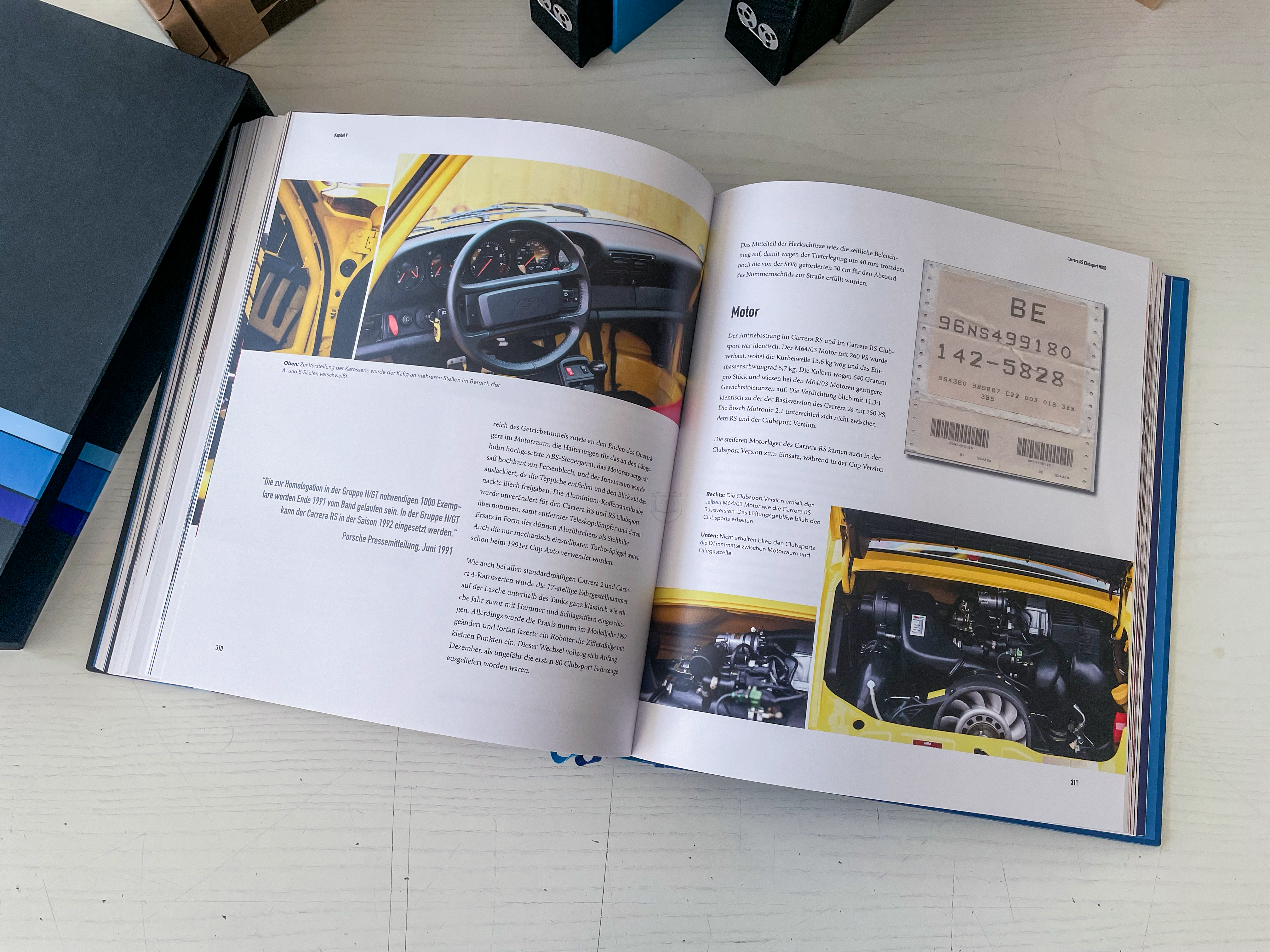
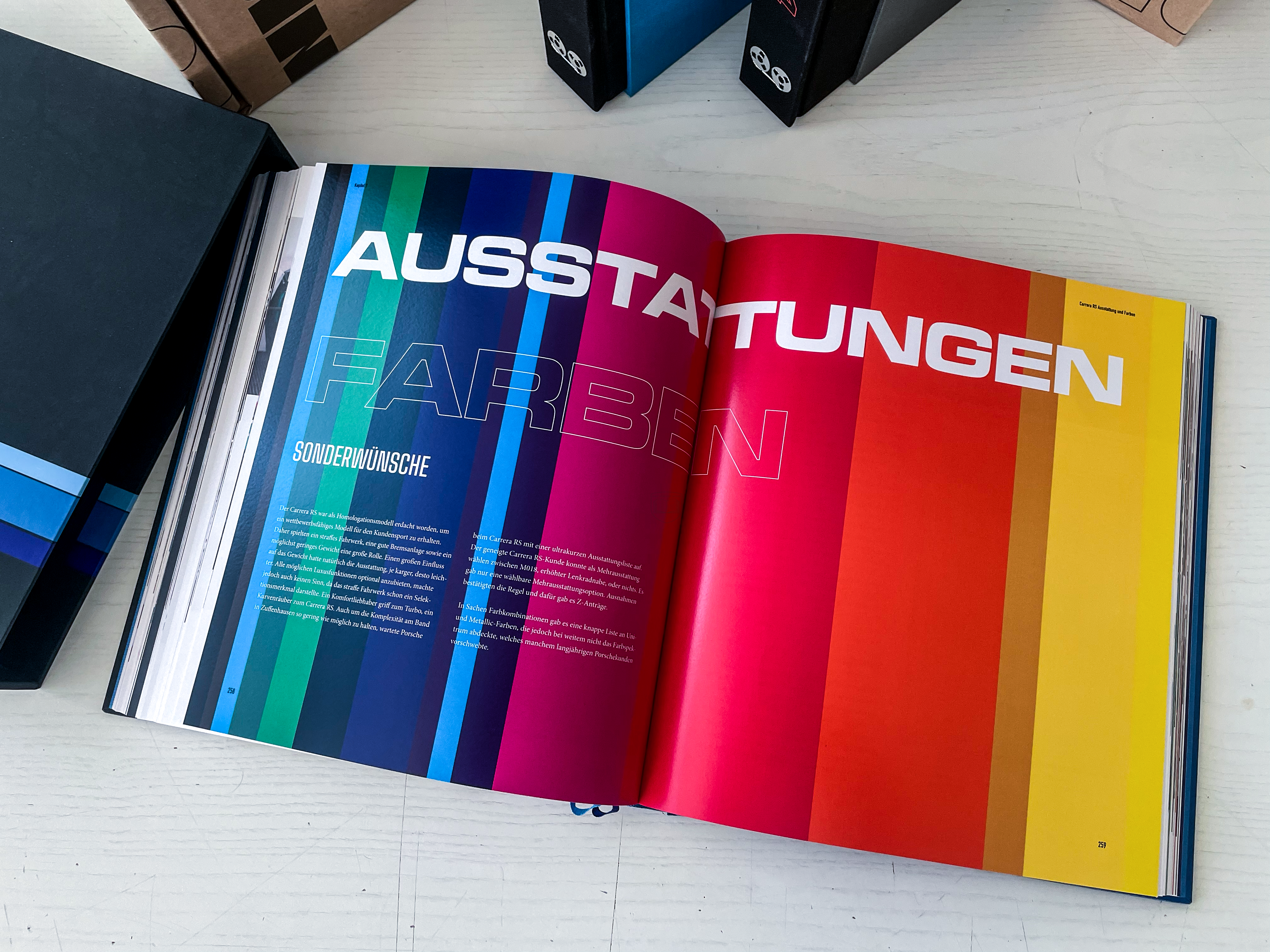
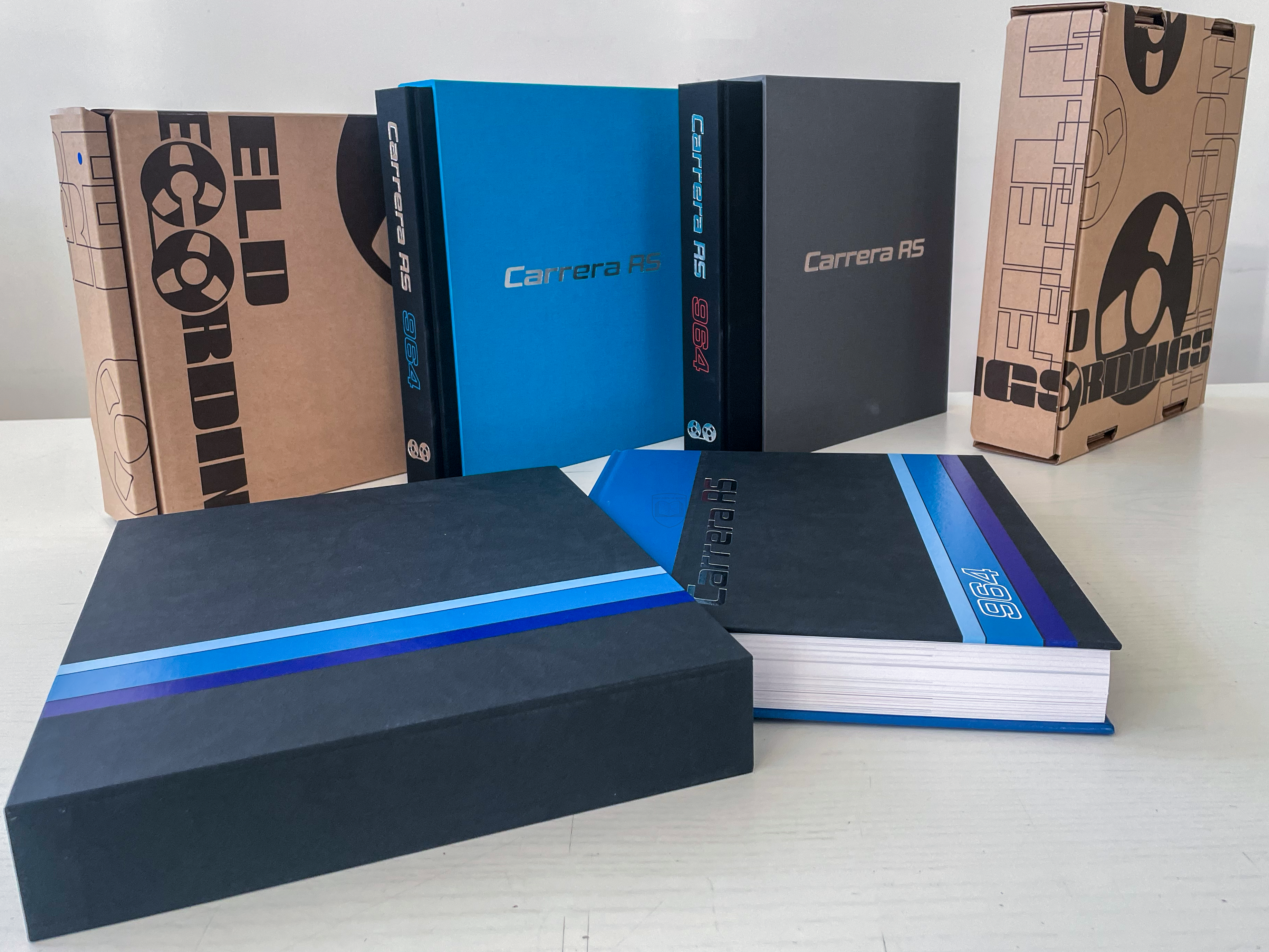
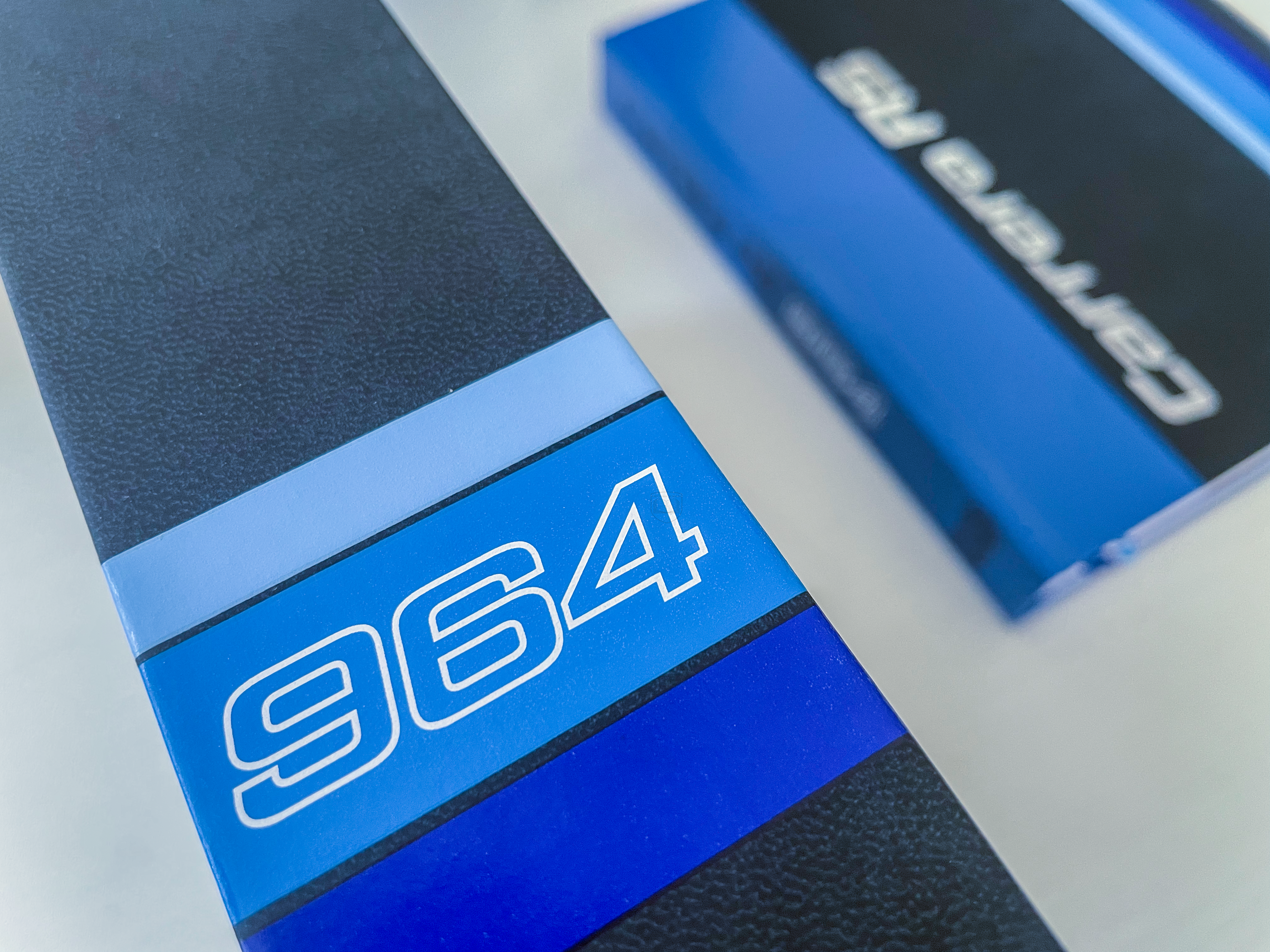
Das gelieferte Buch ist ein besonderes Exemplar: die sogenannte „Farbe-nach-Wahl-Version“, limitiert auf 200 Stück in Perlgrau. Mäder hat sich intensiv Gedanken über die Gestaltung gemacht. Insgesamt existieren sieben verschiedene Varianten des Buches, deren Farbgebung sich an den originalen Bestelloptionen des 964 RS orientiert. Diese Idee entstand im Zuge umfangreicher Recherchen, unter anderem mit Zeitzeugen aus dem Porsche-Mitarbeiterkreis der frühen 1990er-Jahre.
Ich erhielt also eine der 200 Perlgrau-Ausgaben. Als ich das Buch meinem Bekannten überreichte, fragte er sofort, ob er auch die aufwendige Umverpackung behalten solle. Meine Antwort war klar: unbedingt – sie ist Teil des Gesamtkunstwerks.
Mein Bekannter hatte seinen 964 RS bereits 1995 erworben. Aufmerksam geworden war er durch eine einfache Anzeige in der Auto Motor und Sport (AMS). Damals war er 26 Jahre alt, leidenschaftlicher Leser der AMS – und träumte von einem besonderen Porsche. In der Anzeige stand sinngemäß: Porsche 964 RS, Schwarz, Baujahr 1991, ohne Mängel, 69 Kilometer Laufleistung.
69 Kilometer. Praktisch ein Neuwagen.
Mit 26 Jahren verfügt man in der Regel nicht über einen sechsstelligen Betrag – damals noch in D-Mark. Doch der Verkäufer verlangte überraschend nicht den Neupreis, sondern „nur“ eine mittlere fünfstellige Summe für den schwarzen RS. Also wurde alles in Bewegung gesetzt. Mit Unterstützung seiner Mutter gelang es schließlich, das Geld aufzubringen.
Man wurde sich einig. Mein Bekannter flog – damals noch mit British Airways – nach Berlin, um den Wagen abzuholen. Jede einzelne Station dieser Geschichte ist dokumentiert, fein säuberlich abgeheftet in einem dicken Ordner. Und das Auto? Befindet sich bis heute in seinem Besitz. Mittlerweile stehen knapp 40.000 Kilometer auf dem Tacho.
Während er davon erzählt, liegt ein unübersehbares Grinsen auf seinem Gesicht.
Im detailverliebten Buch von Christoph Mäder findet er seinen RS wieder – und ein Stück seiner eigenen Geschichte. Der Stolz darüber ist greifbar. Fast so greifbar wie der eingangs erwähnte Baum, der seinen Teil zu diesem Werk beigetragen hat.
10.000 U/min – absolute Kaufempfehlung.
Caramba Carrera RS
Originally, I had planned to write a review of the new Porsche book by Christoph Mäder about the 964 Carrera RS through the metaphor of a tree’s pride—a tree that was felled, only to later form the very paper on which such a masterful work would be printed. But when I ordered a copy from Mäder for a good friend and handed it over in person, an entirely different story unfolded.
Among enthusiasts, the Porsche 964 is considered one of the most beautiful iterations of the 911 series, thanks to its timeless design alone. The RS version represents its purest form—lightweight, minimalist, uncompromising. To this day, the 964 Carrera RS is regarded as an icon of the brand.
The book delivered is a special edition: the so-called “paint-to-sample version,” limited to 200 copies in Pearl Grey. Mäder has clearly put a great deal of thought into the design. In total, there are seven different variants of the book, with color schemes inspired by the original ordering options of the 964 RS. This idea emerged from extensive research, including conversations with contemporary witnesses from Porsche’s early-1990s staff.
So I received one of the 200 Pearl Grey editions. When I handed the book to my acquaintance, he immediately asked whether he should keep the elaborate packaging. My answer was unequivocal: absolutely—it is part of the complete work of art.
My acquaintance had already purchased his own 964 RS back in 1995. He first noticed it through a simple advertisement in Auto Motor und Sport. At the time, he was 26 years old, an avid reader of the magazine, and dreaming of owning a special Porsche. The ad essentially read: Porsche 964 RS, black, model year 1991, no defects, 69 kilometers mileage.
69 kilometers. Practically brand new.
At 26, one typically doesn’t have access to a six-figure sum—back then still in Deutsche Marks. Yet the seller, surprisingly, wasn’t asking the original list price, but “only” a mid five-figure amount for the black RS. So everything was set in motion. With the support of his mother, he ultimately managed to raise the funds.
An agreement was reached. My acquaintance flew—back then with British Airways—to Berlin to pick up the car. Every single step of this story has been documented, meticulously filed in a thick binder. And the car? It remains in his possession to this day. The odometer now shows just under 40,000 kilometers.
As he tells the story, there’s an unmistakable grin on his face.
In Christoph Mäder’s detail-obsessed book, he rediscovers his RS—and a piece of his own history. The pride is palpable. Almost as tangible as the tree mentioned at the beginning, which played its part in bringing this work to life.
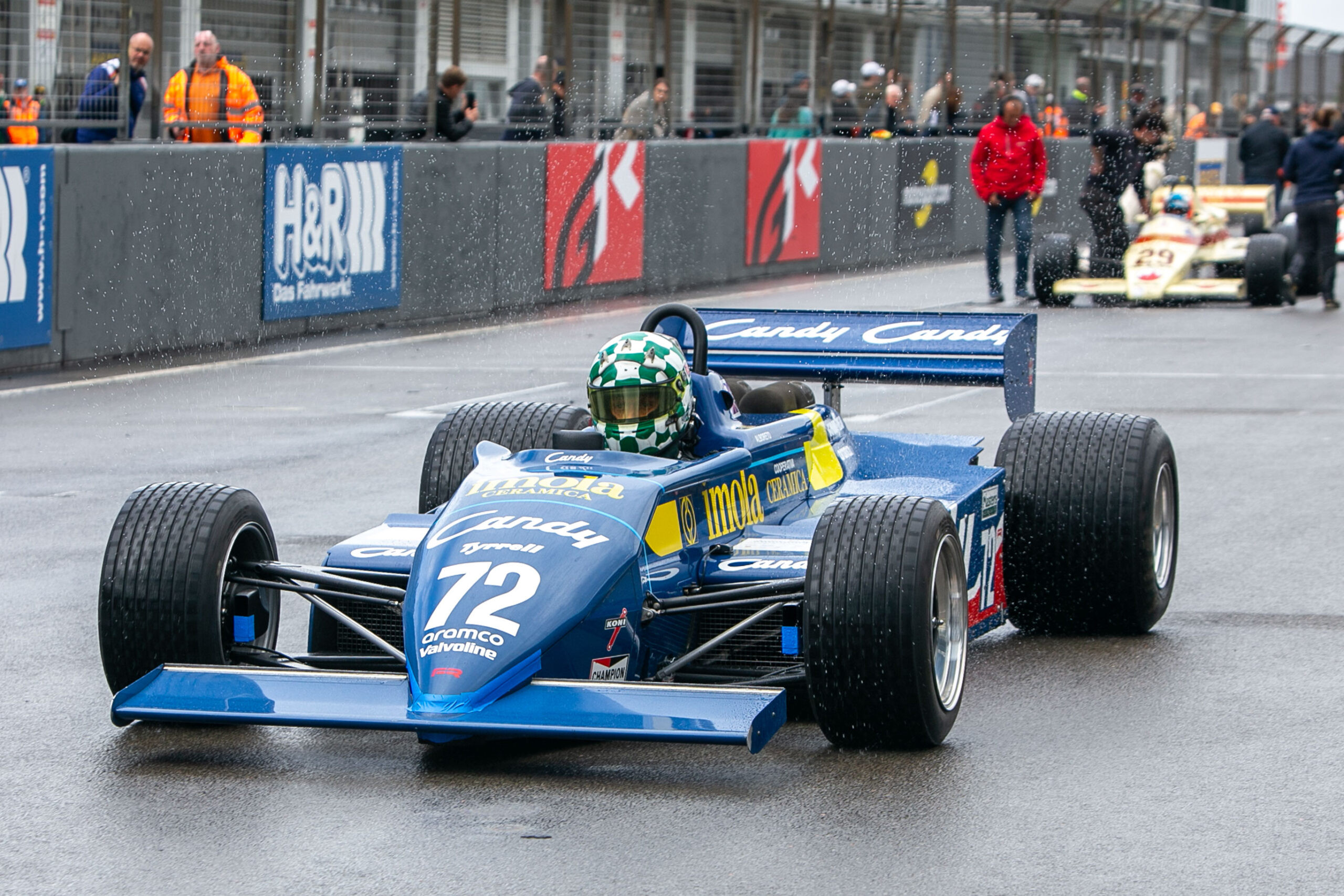
Kleine Flitzer aus den Nachwuchsklassen der 50er Jahre mischten sich mit bulligen Sportwagen und Prototypen, deren Sound und Performance noch heute Begeisterung auslösen, auf der Strecke. Mancher Zuschauer traute seinen Augen kaum: Fahrzeuge, die normalerweise sicher in privaten Sammlungen oder Museen standen, durften hier wieder Rennen fahren. Kein Wunder also, dass viele Läufe bis auf den letzten Platz ausgebucht waren – die Veranstaltung hatte sich in fünf Jahrzehnten längst selbst zum Klassiker entwickelt.
Ein besonderes Highlight war das Rennen der Sportwagen bis 1965. Der erste Lauf am Samstagabend setzte den Ton für ein aufregendes Wochenende. Rund vier Dutzend Fahrzeuge standen an der Startlinie: Porsche und die berühmten „Flügeltürer“-Mercedes kämpften gegen Aston Martin, Lotus, Maserati und Ferrari – ein Schaulaufen, das die Herzen von Autoenthusiasten höher schlagen ließ. Wer einmal die rasant aufeinanderfolgenden Kurven dieser Klassiker gesehen hatte, wusste sofort, warum viele sie zu den schönsten Rennwagen zählen, die je gebaut wurden.
Noch spektakulärer wurde es bei den CanAm & Sportscars / Group-C-Classics: Modelle von McLaren, Lotus und Lola demonstrierten eindrucksvoll, wie schnell sich die Sportwagenklasse weiterentwickelte – und das nicht nur optisch, sondern vor allem durch atemberaubenden Sound und Performance.
Die Historie der Formelwagen nahm im Programm viel Raum ein. Über 40 kleine Flitzer, die Formel-Junior-Fahrzeuge der Jahre vor 1963, zeigten eindrucksvoll, wie die Rennwagen einst ihre Motoren noch hinter den Fahrer verlagerten und damit einen entscheidenden Schritt in der Evolution des Rennsports machten. Etwas jüngere Nachwuchsformeln traten im AvD Historic Race Cup an: Über 30 Fahrzeuge aus Formel 2, Formel Ford und ähnlichen Serien, die zwischen Mitte der 70er- und Ende der 80er-Jahre Rennen fuhren, füllten die Strecke mit ihrer Dynamik.
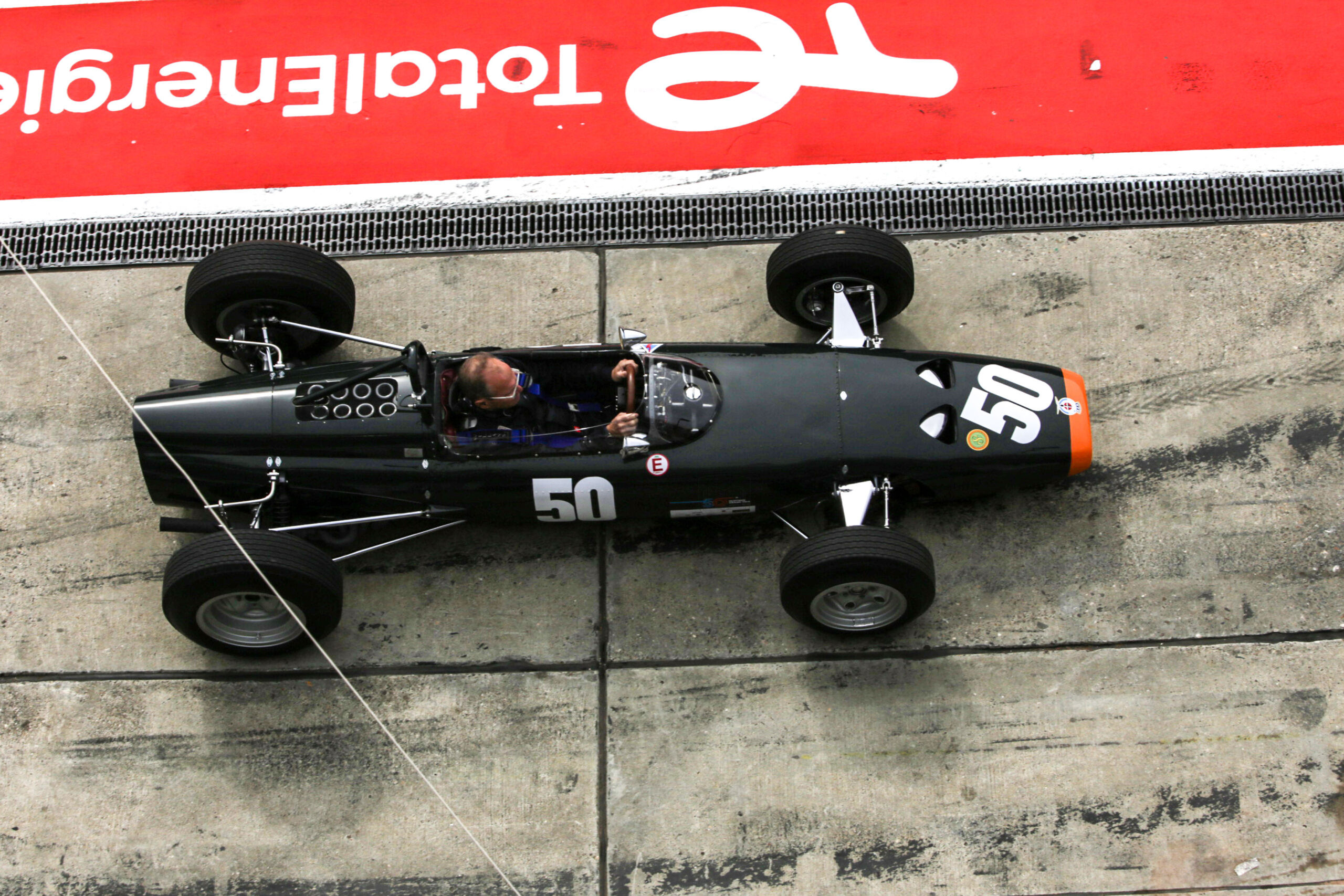
Wer die britische HSCC Formula 2 erlebte, bekam die Formel-2-Rennwagen der 70er-Jahre in Bestform zu sehen. Historisch noch weiter zurück ging die HGPCA (Historic Grand Prix Cars Association) mit fast 50 Rennwagen der Formel-1-Vor- und Frühgeschichte. Besonders spannend: Am Samstag traten Frontmotor- und Heckmotor-Fahrzeuge getrennt an, um sich am Sonntag zu einem riesigen Feld zu vereinen. Die legendären Maserati 250 F, Ferrari 246 Dino und andere Ikonen der Frontmotor-Ära trafen so auf frühe Formel-1-Wagen von Cooper, Lotus und Brabham.
Ein weiteres Highlight für Fans historischer Formelwagen waren die Demo-Läufe am Samstag und Sonntag: Hier gab es Formel-1- und Formel-2-Fahrzeuge zu sehen, von bekannten Marken wie Ferrari und Dallara bis hin zu seltenen Rennwagen kleinerer Schmieden wie Rial oder Maurer.
Auch in den Tourenwagen- und GT-Rennen ging es hoch her. Besonders das Rennen der „Goldenen Ära der Tourenwagen“ zog die Fans in seinen Bann. Hier traten alte Haudegen gegen legendäre Fahrzeuge an: Harald Grohs, Kris Nissen und Olaf Manthey pilotierten jeweils einen BMW E30 M3, Roland Asch und sein Sohn Sebastian saßen in Ford Sierra und Mercedes 190 Evo 1, Ex-DTM-Pilot Volker Schneider steuerte ebenfalls einen Sierra, und Kurt Thiim rollte im Volvo 240 GRA an den Start. Unter den fast 60 Startern fanden sich außerdem Audi, Alfa Romeo, Opel und viele weitere Klassiker, die die große Zeit der DTM prägten.
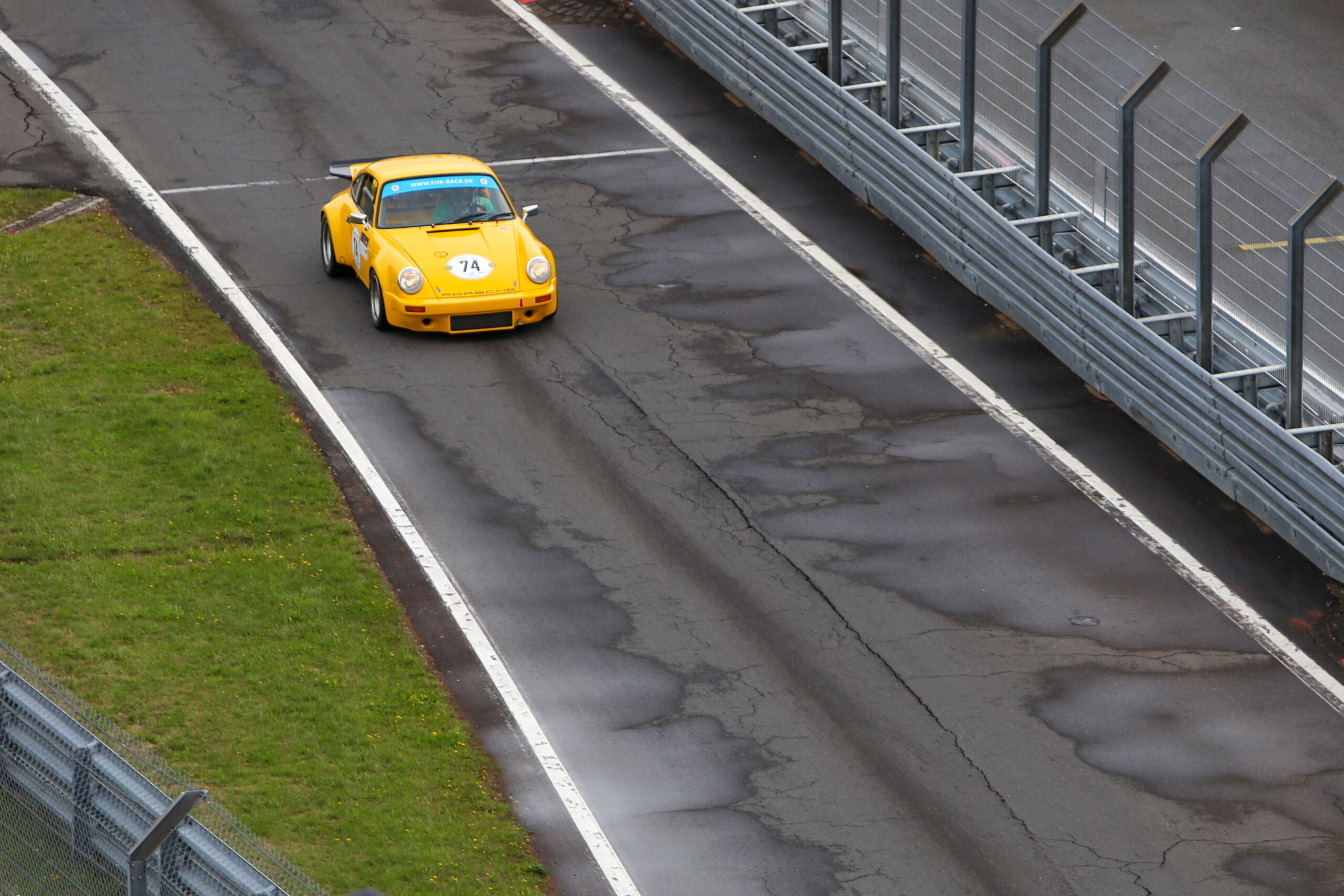
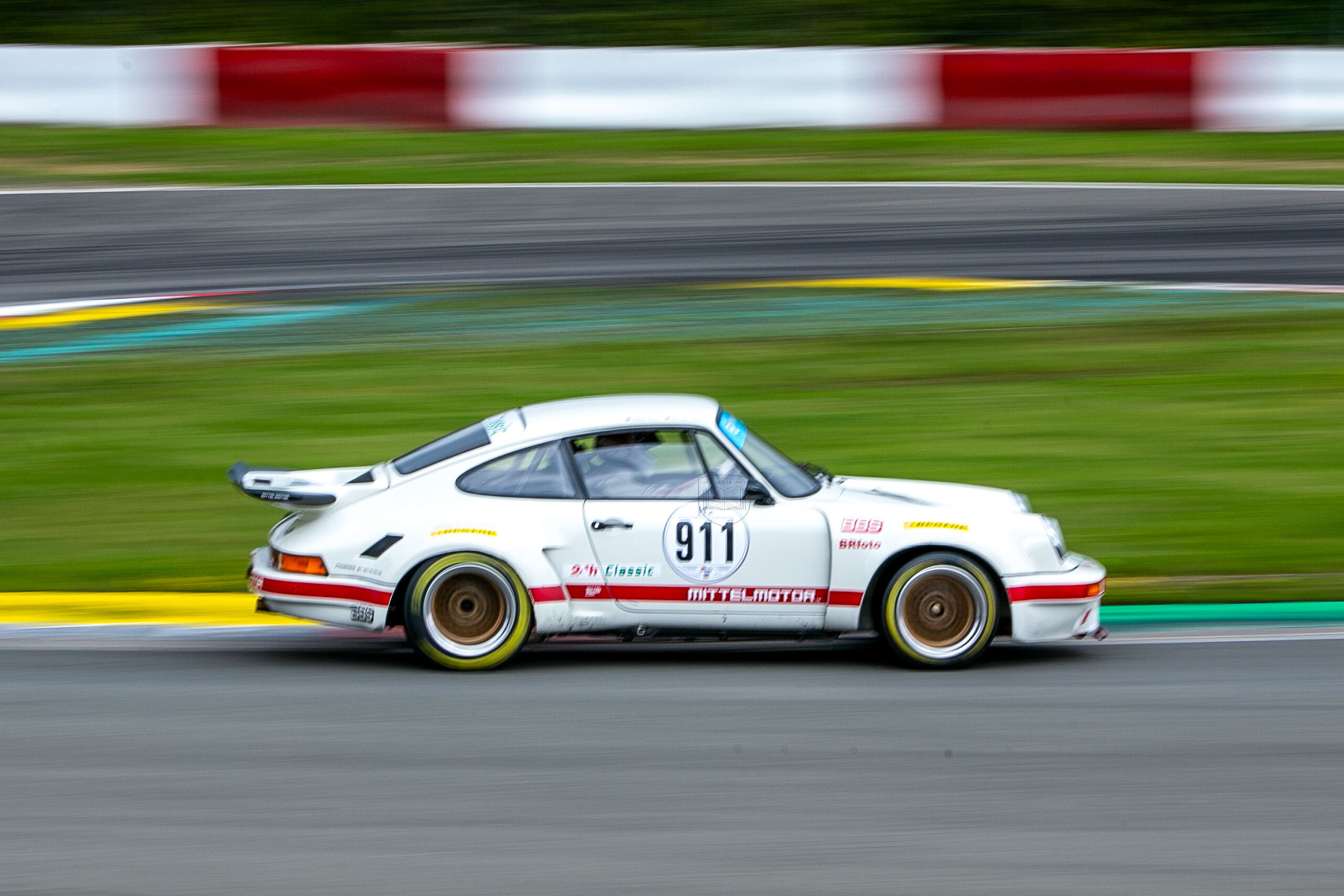
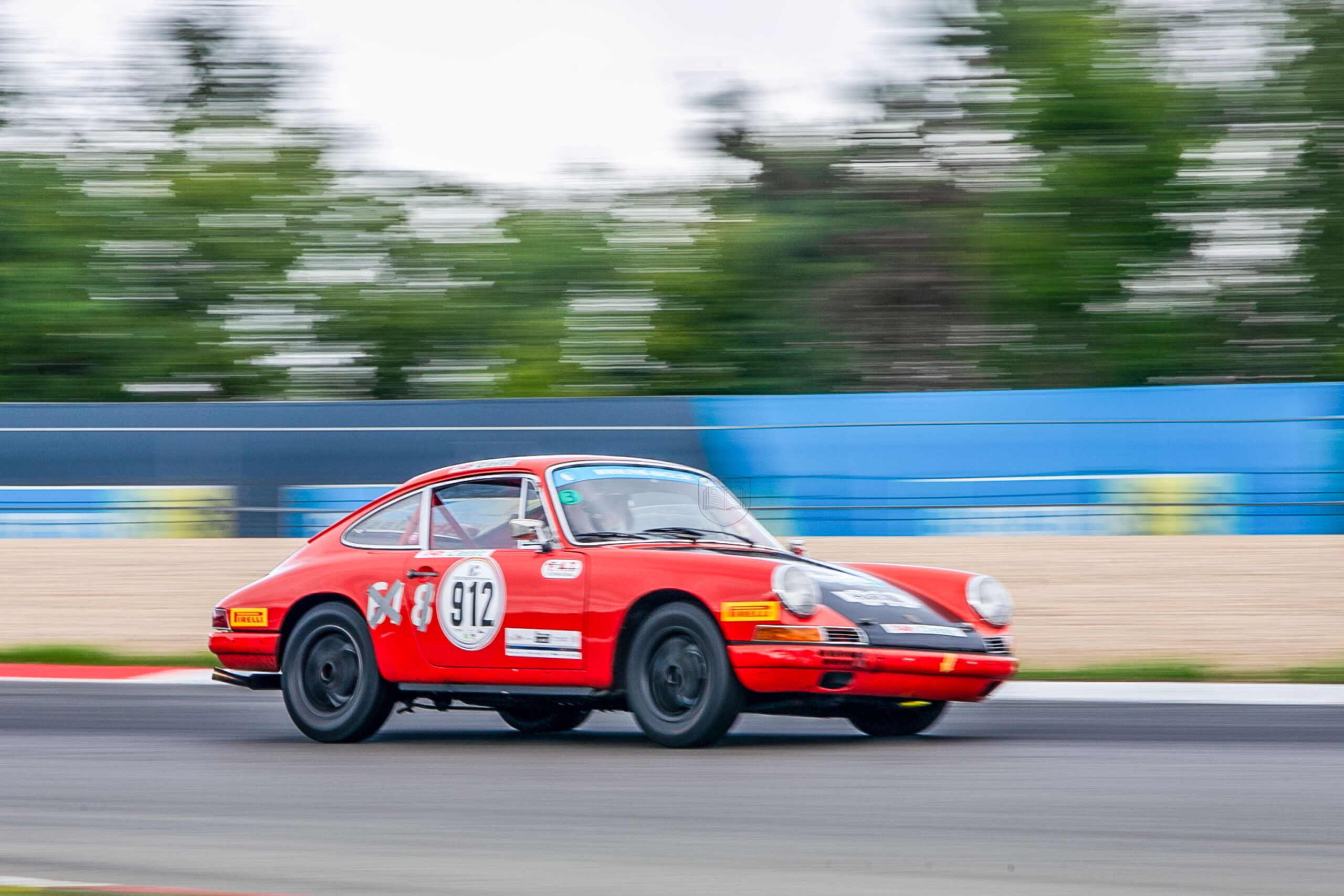
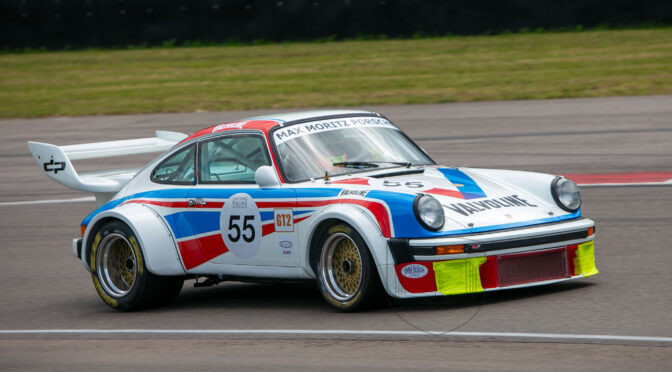
Nicht minder spektakulär war das DRM-Revival. Gruppe-5-Boliden wie Ford Turbo-Capris, Porsche 935 K3 oder BMW 320 Turbo führten das Feld der rund vier Dutzend Fahrzeuge der legendären Deutschen Rennsport-Meisterschaft an. Auch die FHR-Rennen präsentierten eine Bestbesetzung: In der HTGT („Historische Tourenwagen- und GT-Trophy“) und den Dunlop Gentle Drivers ’65 kämpften Ford GT40, frühe 911er-Porsche, BMW 2002, Alfa Romeo 1750 und viele andere Klassiker um die Plätze – und sorgten dabei für actionreiche Rennen, die das Publikum immer wieder begeisterten.
Ende Juli 2025 lag über Imola wieder dieser ganz besondere Klangteppich, den nur historische Rennwagen erzeugen können. Schon beim Betreten des Autodromo Enzo e Dino Ferrari mischte sich der Geruch von Benzin und warmem Öl mit dem typischen Klangbild: das heisere Ansauggeräusch einer Alfa Romeo TZ2, das wuchtige Donnern einer Porsche 917 oder das metallische Kreischen einer BMW 3.0 CSL. Nach sieben Jahren Pause war die Imola Classic zurück – und die Resonanz war überwältigend. Rund 230 Fahrzeuge aus den unterschiedlichsten Epochen füllten die Boxengassen, jedes einzelne mit einer eigenen Geschichte.
Besonderes Aufsehen erregte die Ferrari 512 BB/LM, Chassisnummer 34445. Schon ihr Auftritt in der Boxengasse sorgte für dichtes Gedränge. Lackiert im tiefen Rot, trug sie die Patina internationaler Einsätze: Daytona 1981, 1982 und 1983, Sebring 1982. Ihre bullige Präsenz erinnerte daran, wie kompromisslos Ferrari Ende der siebziger Jahre versuchte, die Berlinetta Boxer in den Langstreckensport zu überführen. Wer genau hinsah, entdeckte Spuren harter Rennen – kleine Lackabplatzer, blankgescheuerte Kanten. Nichts wirkte museal, diese Maschine war gebaut, um gefahren zu werden.
Der Zeitplan war dicht, die neun Starterfelder der Series by Peter Auto wechselten sich im Minutentakt ab. Mal erfüllten sich die Zuschauertribünen mit dem kehligen Chor der Vorkriegswagen, dann wieder mit dem tiefen Grollen der GTs aus den sechziger Jahren. Für viele war der Alfa Revival Cup das Sahnehäubchen: eine ganze Startaufstellung voll von Giulia Sprint GTA, GTAm und Giulia Super, organisiert von Canossa Events. Unter den Fahrern stach eine Persönlichkeit hervor, die in Imola ohnehin Kultstatus genießt: Arturo Merzario. Mit seinem markanten Cowboyhut und einem verschmitzten Lächeln stieg er in die enge Giulia Sprint GTA, als hätte er nie etwas anderes gemacht. Auf der Strecke fuhr er beherzt, manchmal quer, zur Freude der Zuschauer, die ihn mit Applaus und Rufen feierten.
Doch es gab auch Momente, die fast unwirklich wirkten. Als Erik Comas in seiner straßenzugelassenen Nissan R390 GT1 durch das Fahrerlager rollte, verstummten viele Gespräche. Das keilförmige, tiefblaue Geschoss wirkte wie ein Relikt aus einer anderen Zeit – Ende der neunziger Jahre, als die GT1-Klasse in Le Mans auf ihrem Höhepunkt war. Comas ließ es sich nicht nehmen, die R390 selbst über die Strecke zu jagen, und der V8-Biturbo, entwickelt in Zusammenarbeit mit TWR, füllte die Hügel rund um die Tamburello mit einem grollenden Echo. Für einen Moment war Imola 1998 wieder ganz nah.
Neben all dem Getöse und der Energie der Rennen bot der Park direkt neben der Strecke einen Kontrast voller Stille. Im Parco Acque Minerali, nur wenige Schritte von der Tamburello-Kurve entfernt, steht die Statue von Ayrton Senna. Bronze, lebensgroß, von Stefano Pierotti geschaffen. Sie zeigt Senna sitzend, nachdenklich, den Helm locker in der Hand. An diesem Wochenende waren die Stufen vor dem Denkmal bedeckt mit brasilianischen Fahnen, Fotos, Kerzen und kleinen Botschaften in vielen Sprachen. Manche Fans saßen einfach im Gras und blickten schweigend auf die Figur, andere legten Blumen nieder.
Die Atmosphäre dort war tief berührend. Während auf der Rennstrecke die Motoren heulten, herrschte am Denkmal eine stille Würde. Nur das Rascheln der Bäume im Wind, ab und zu ein leises Gespräch. Viele Besucher machten einen Zwischenstopp auf ihrem Weg vom Fahrerlager zum Parkeingang, als sei es selbstverständlich, dass ein Besuch in Imola nicht nur Motorenlärm, sondern auch Erinnerung bedeutet. Ergänzt wird das Denkmal durch ein farbenprächtiges Wandbild des brasilianischen Künstlers Eduardo Kobra, das Senna im Helm und am Steuer eines Karts zeigt – ein starkes Bild seiner Anfänge und seines ungebrochenen Ehrgeizes.
At the end of July 2025, Imola was once again filled with that unmistakable soundscape only historic racing cars can create. As soon as you entered the Autodromo Enzo e Dino Ferrari, the air was thick with the scent of warm oil and high-octane fuel, carried along by the symphony of engines: the sharp intake roar of an Alfa Romeo TZ2, the thunderous bellow of a Porsche 917, the metallic shriek of a BMW 3.0 CSL. After seven years of absence, the Imola Classic was back – and the response was overwhelming. Around 230 cars filled the paddock, each with its own story to tell.
One car drew particular attention: the Ferrari 512 BB/LM, chassis number 34445. Even standing still in the pit lane it caused a crowd to gather. Built in 1979, the car had competed at the 24 Hours of Daytona in 1981, 1982, and 1983, as well as at the 12 Hours of Sebring in 1982. Its deep red bodywork carried the patina of international endurance battles. Look closely and you could spot the details: tiny chips in the paint, worn edges polished by years of racing. Nothing about it felt museum-like – this was a machine meant to run, not to rest.
The weekend timetable was relentless, with nine Peter Auto grids taking to the circuit one after another. At times the grandstands vibrated to the rasp of pre-war machinery; moments later, the booming chorus of 1960s GTs took over. For many, the highlight was the Alfa Revival Cup: a full grid of Giulia Sprint GTA, GTAm, and Giulia Super models, organized by Canossa Events. Among the drivers, one figure stood out – a legend at Imola, Arturo Merzario. Wearing his trademark cowboy hat and a wry smile, he squeezed into the narrow cockpit of a Giulia Sprint GTA as if it were second nature. On track he drove with verve, sometimes sideways, to the delight of the crowd who cheered every lap.
There were also surreal moments. When Erik Comas rolled through the paddock in his road-registered Nissan R390 GT1, conversations fell silent. The low, wedge-shaped blue car looked like a time capsule from another era – the late 1990s, when GT1 machines ruled endurance racing. Comas himself took it onto the circuit for a demonstration run, and the V8 twin-turbo, developed in partnership with TWR, reverberated through the Tamburello hillsides with a deep, menacing growl. For a moment, 1998 felt very close again.
Away from the noise and energy of the races, just a short walk into the Parco Acque Minerali, visitors found a quieter but no less powerful symbol of motorsport history: the Ayrton Senna statue. Created by sculptor Stefano Pierotti, the bronze shows the Brazilian sitting, helmet in hand, in a reflective pose. On this weekend the steps around the monument were covered with Brazilian flags, photos, candles, and handwritten notes in many languages. Some fans sat silently on the grass, others laid flowers.
The atmosphere there was deeply moving. While engines screamed on the nearby circuit, at the monument there was only silence, broken by the rustling of trees and the occasional murmur of conversation. For many visitors, it seemed natural to pause here – a reminder that a trip to Imola is not only about racing, but also about memory. A nearby mural by Brazilian artist Eduardo Kobra added another dimension: Senna depicted both in his iconic helmet and at the wheel of a kart, a vivid image of his beginnings and his relentless drive.
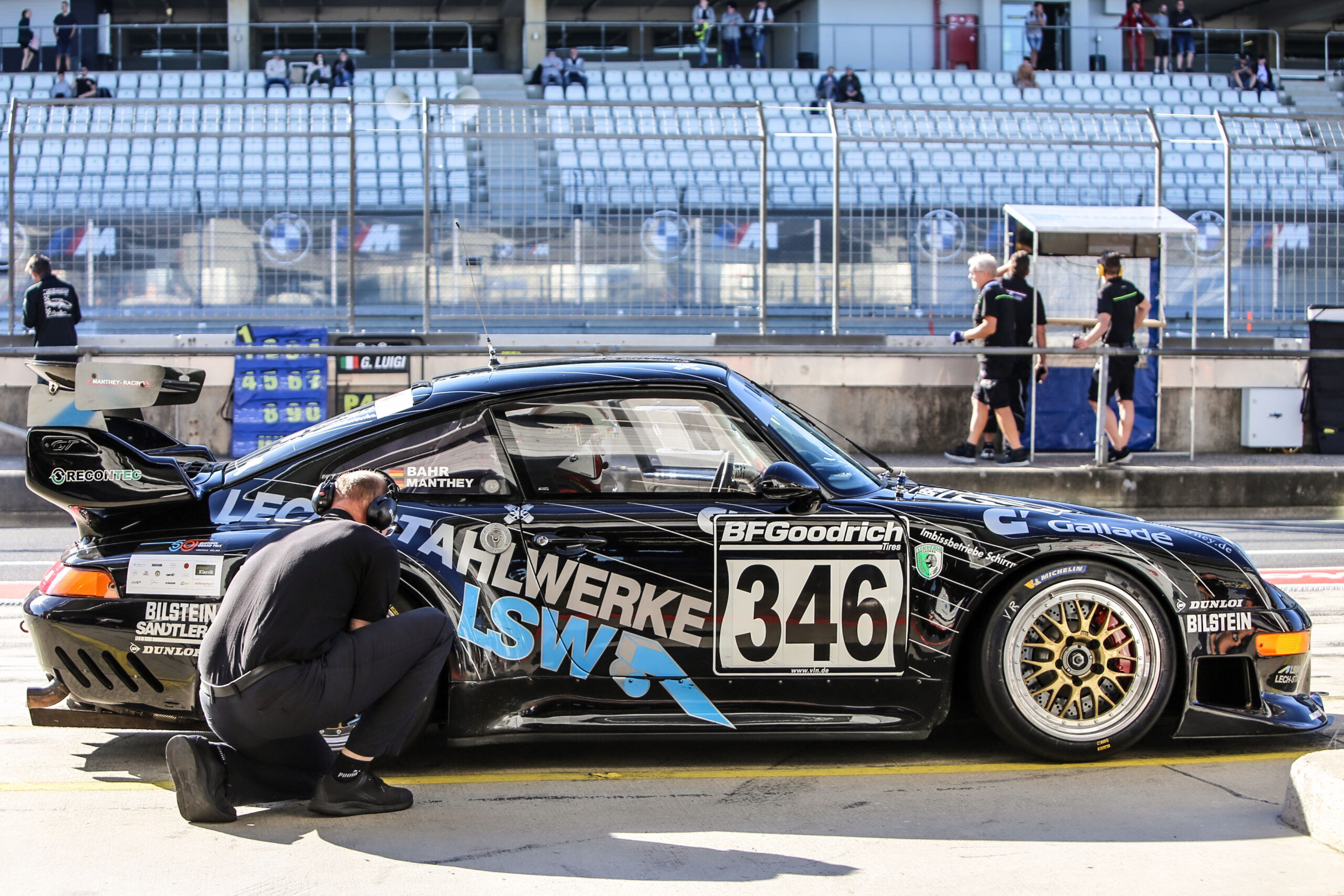
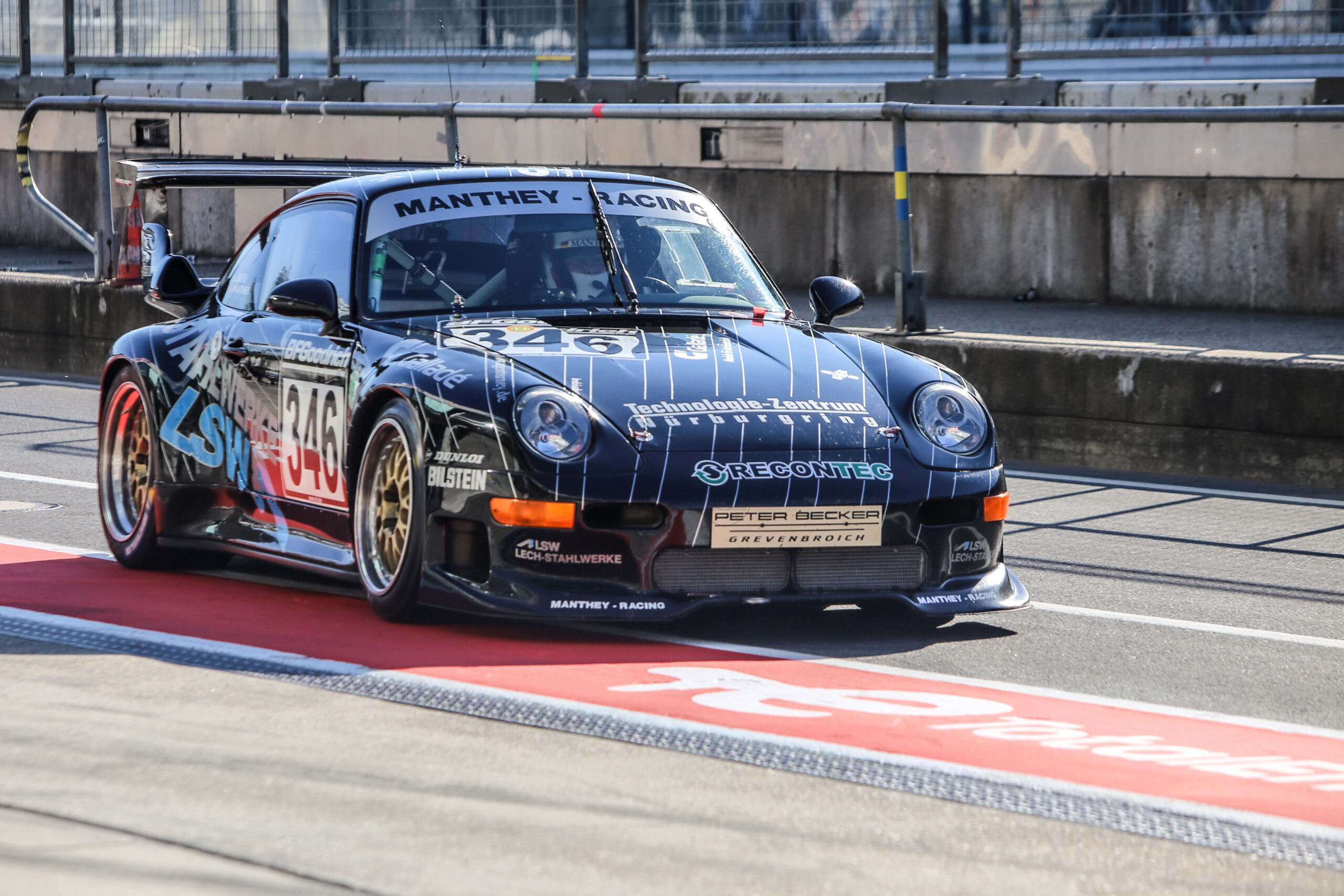
For three unforgettable days, the Nürburgring transformed into a living, breathing history book of motorsport – with around 39,000 spectators along for the ride. The BELMOT Oldtimer Grand Prix delivered a feast of classic racing for both die-hard fans and curious newcomers: from the polished chrome of pre-war icons to the thunderous roar of Formula 1 cars from the legendary Cosworth era. In between came the graceful curves of 1950s and ’60s GT and sports cars, the unmistakable silhouettes of DTM and DRM legends, and historic formula racers from the junior series. Even vintage racing and sports motorcycles made an appearance – turning the event into a colourful, fast-paced festival that not even the Eifel’s changeable weather could dampen.
Stars, Legends, and a Touch of Le Mans
This year’s programme was more diverse than ever – and the grids were bursting with talent. In the Golden Era Touring Cars, motorsport greats like Kris Nissen, Roland Asch, Kurt Thiim, Volker Strycek, and Altfrid Heger took the wheel, pushing their BMWs, Opels, and Mercedes machines to the limit, just as they did in their glory days.
One of the weekend’s most spine-tingling moments came on Saturday evening: the race for two-seater sports cars and GTs built up to 1971. When a Porsche 904 GTS, Mercedes 300 SL, Aston Martin DB4 GT, or Ferrari 250 GT SWB stormed through the twilight, the air was thick with the unmistakable magic of Le Mans in the Eifel.
The German Historic Automobile Championship (DAHM) races – including the HC ’65 and HC ’81 classes – delivered edge-of-your-seat action with a spectacular variety of touring cars, GTs, and sports cars. Another major highlight was the return of the Masters Racing Legends, featuring original Formula 1 machinery from the Cosworth era (1966–1985). Their raw, rasping 3-litre V8 soundtrack reverberated through the grandstands, evoking the golden age of Grand Prix racing.
New to the programme were the Supertouring Revival, the Golden Era Classic Cup with former Porsche Cup cars, and demonstration laps by historic motorcycles from the “Grab the Flag!” initiative. Together, they added an extra layer of variety – proving once again that historic motorsport is anything but stuck in the past.
WENN DIE RENNSTRECKE LEGENDEN WIEDER ZUM LEBEN ERWECKT 60 Jahre Grand Prix de l’Âge d’Or auf dem Circuit Dijon-Prenois
Drei Tage lang wurde der Circuit Dijon-Prenois zum Zentrum automobiler Leidenschaft. Zur 60. Auflage des Grand Prix de l’Âge d’Or verwandelte sich die traditionsreiche Strecke in ein rollendes Museum, das Vergangenheit und Gegenwart des Motorsports eindrucksvoll miteinander verband. Rund 20.000 Besucher kamen, um 280 historische Rennwagen in Aktion zu erleben – flankiert von über 500 Sammler- und Clubfahrzeugen, die das Wochenende in eine lebendige Zeitreise verwandelten.
Seit seiner Premiere im Jahr 1964 gilt der Grand Prix de l’Âge d’Or als das älteste historische Motorsport-Meeting Frankreichs. Die Jubiläumsausgabe würdigte diese Geschichte mit acht abwechslungsreichen Starterfeldern, die das automobile Spektrum von den 1950er-Jahren bis 1981 abdeckten. Auf dem anspruchsvollen Kurs inmitten der burgundischen Hügel kämpften Fahrzeuge aus der goldenen Ära des Motorsports um Platzierungen – darunter klassische GTs, Langstrecken-Prototypen, historische Formelrennwagen und Tourenwagen.
Ein besonderes Highlight bot der Auftritt der Historic Grand Prix Car Association (HGPCA), die mit ihren Formel-1-Fahrzeugen aus der Zeit vor 1960 echtes Grand-Prix-Feeling auf die Strecke brachte. Die Läufe am Samstag und Sonntag zeigten eindrucksvoll, dass diese alten Monoposti nichts von ihrer Faszination eingebüßt haben – ganz im Gegenteil: Der Sound, die Dynamik und die Nähe zur Technik sorgten für Gänsehautmomente auf den Tribünen.
Die 60. Ausgabe des Grand Prix de l’Âge d’Or war nicht nur eine Hommage an die großen Zeiten des Motorsports, sondern auch ein Fest für alle, die Benzin im Blut haben. Zwischen Ölgeruch und Octane-Nostalgie wurde einmal mehr deutlich: Wahre Legenden altern nicht – sie fahren einfach weiter.
WHEN THE TRACK BRINGS LEGENDS BACK TO LIFE 60 Years of the Grand Prix de l’Âge d’Or at Circuit Dijon-Prenois
For three unforgettable days, the legendary Circuit Dijon-Prenois pulsed with the sound and soul of classic motorsport. The 60th edition of the Grand Prix de l’Âge d’Or transformed the historic venue into a vibrant celebration of racing heritage. Nearly 20,000 spectators came to witness 280 historic race cars in full flight, accompanied by over 500 collector and club vehicles that turned the paddock into a rolling museum.
First held in 1964, the Grand Prix de l’Âge d’Or is France’s oldest historic motorsport meeting—and its anniversary edition more than lived up to that legacy. Eight diverse grids, covering the 1950s through to 1981, brought the circuit alive with wheel-to-wheel battles, mechanical symphonies, and moments that recalled the golden age of racing. From Grand Tourers to endurance prototypes, vintage single-seaters and touring cars, every category added its own chapter to this living history.
A standout guest appearance came from the Historic Grand Prix Car Association (HGPCA), whose pre-1960 Formula 1 cars delivered truly spine-tingling action. Their races on Saturday and Sunday offered a visceral connection to a bygone era—raw, fast, and unfiltered. For many, it was the weekend’s emotional high point.
The 60th Grand Prix de l’Âge d’Or was more than a tribute to the past—it was a celebration of motorsport’s enduring spirit. Amid the scent of oil and the roar of heritage engines, one thing became clear: true legends never fade—they just keep racing.
Sofern Sie Ihre Datenschutzeinstellungen ändern möchten z.B. Erteilung von Einwilligungen, Widerruf bereits erteilter Einwilligungen klicken Sie auf nachfolgenden Button.
Einstellungen